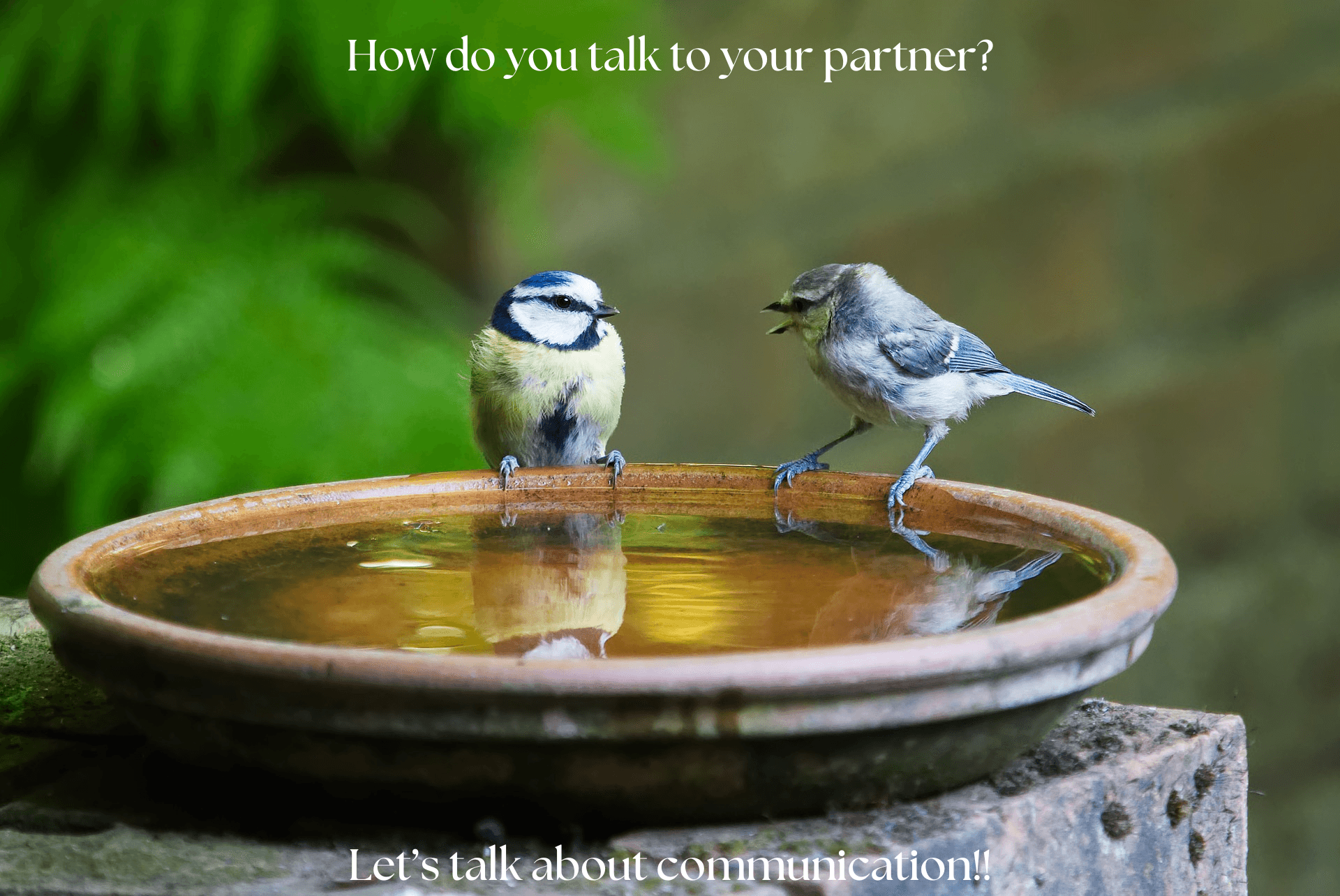
The quality of our communication and the quality of our lives are directly related. The more skilled we are in communicating with others, the more successful we are likely to be, both personally and professionally. People who communicate well will be able to cope better with stress, adapt better to major changes in life, have more friends, and are less likely to suffer from depression, loneliness, or anxiety.
In romantic relationships, effective communication skills are one of the best predictors of a healthy and satisfying relationship.
Communication problems are the core of my work as a psychotherapist. To name just a few of these problems:
- Dysfunctional communication: lack of focus in a conversation, misunderstandings, inability to actively listen or to express oneself.
- Failure to engage in or to manage conflicts.
- Too much negativity in relationships with close ones or too much withdrawal from communication
- Difficulty in expressing one’s ideas and needs in front of others.
- Little or lack of emotional intelligence and empathy towards others
The more I was confronted with these topics, the higher my motivation for learning about communication.
How to start? What can you do to become better?
Before we change something, we must understand what our communication profile is.
Our communication was shaped by a unique combination of factors and experiences based on the interchanges we had with others. And the first people we were exposed to, is our family.
So, find yourself a quiet place and take time for self-reflection.
You can start by thinking about your family communication dynamics:
- How would you describe the way your caregivers communicate with each other? What were the most common „scenes of communication“ you have witnessed?
- What type of body language, and what tones of voice were more frequent?
- What was allowed to talk about, what not?
- How did your parents treat your needs, wants, and opinions as you have expressed them?
- What about expressing your emotions? How did your home environment influence your ability to communicate and express emotions?
The next step to find out about your communication profile is to observe yourself in your interaction with others:
- What would you say your strengths and weaknesses are? Are you assertive or rather passive or passive-aggressive? How do you handle conflicts?
Then you can go one step further and ask those close to you for their feedback or think about feedback that was given to you already.
- What do you agree with, and what you don’t?
Finally, raise your cultural awareness and reflect on your cultural background:
- Did the culture you grew up in influence in any way your communication style?
I know it seems like a lot to think about, but it is all worth it when you consider the importance communication plays in our lives. If you take time to answer some of the above questions you will get more insight into what your communication profile is and what is your preferred communication style. You will discover your area of strength and area of improvement. Starting small will eventually get you to be a better communicator.