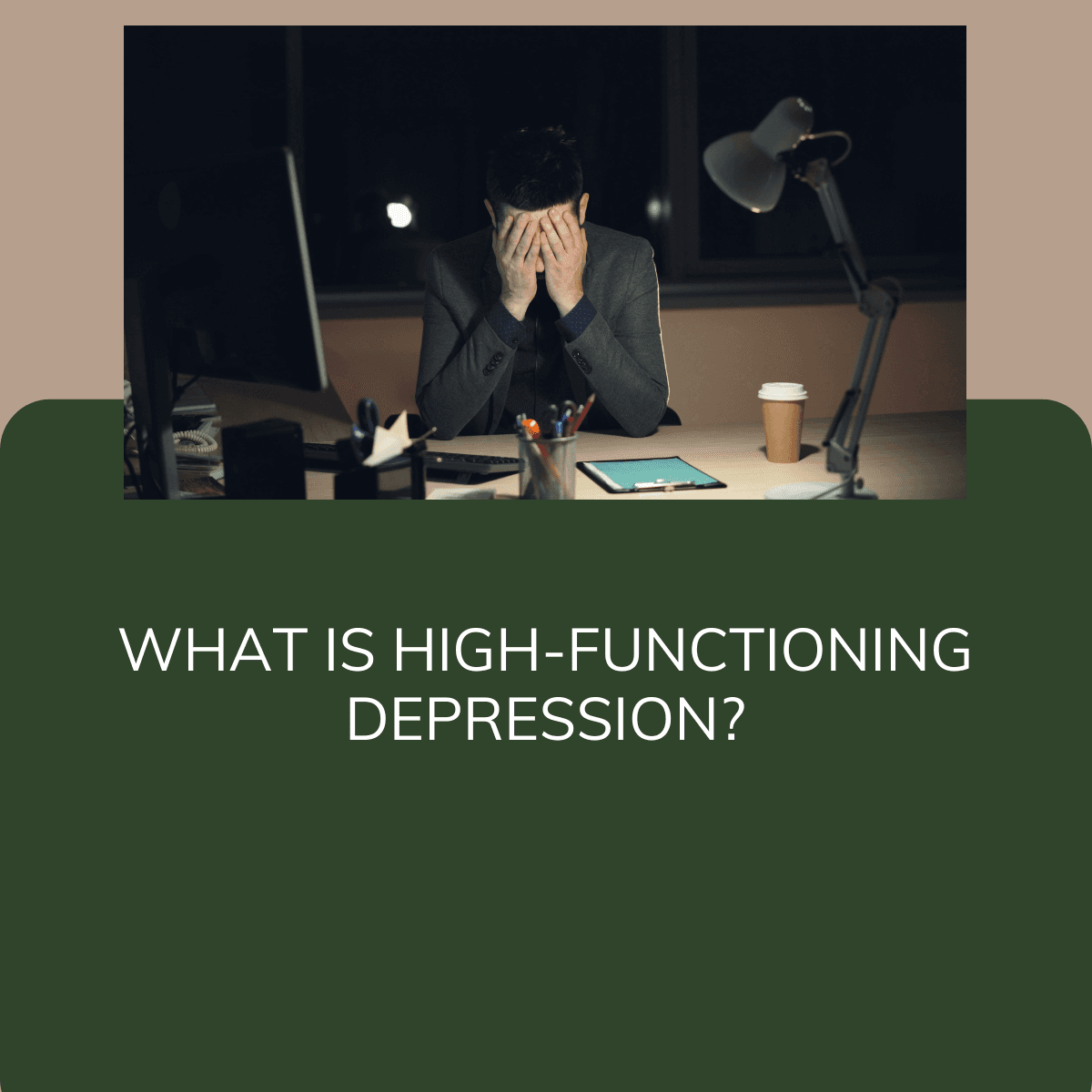
High-functioning depression is not an official diagnosis, but it's a term used to describe people who experience feelings of depression while being able to maintain their daily responsibilities.
People who experience it still show up at work. They meet their deadlines, answer their emails, and manage to keep a full schedule. Because of this, from the outside, everything looks fine; no one could tell. But from inside, the world looks different.
Some warning signs to look out for include:
— Persistent feelings of sadness, emptiness, or irritability
— General fatigue or low energy
— Difficulty concentrating on tasks, or in making decisions
— Loss of interest in things that used to bring joy before
— Physical symptoms like headaches, digestive issues, and sleep disturbances.
To hide these symptoms, people have found their own strategies:
— They use humor, or sarcasm, to deflect from what they're really feeling
— Maintain a busy schedule and avoid times of self-check-ins
— Tend to overachieve or thrive for perfection to avoid feelings of inadequacy
— Engage in excessive sport activities
Despite these negative signs, people rarely seek help because they might have the belief "as long as I can keep going, it's all good", or because talking about their own feelings seems draining.
However, often the cost of keeping up appearances is real because it can lead to burnout, relationship struggles and isolation, an increased risk of substance abuse, and a gradual decrease in their well-being.
Recognising signs and seeking help isn’t a sign of weakness. And definitely, people don't need to hit a breaking point to ask for support.
If something doesn't feel right, that's reason enough to reach out.
#MentalHealth #Depression #HighFunctioningDepression #Wellbeing #MentalHealthAwareness#