Imagine being asked to take on more responsibility at work, perhaps to step into a more demanding role or support a lead with some of their responsibilities. You say yes, not really considering the consequences. In that moment, it feels good to be trusted, the challenge seems interesting, it offers you more visibility, and opens new perspectives. A few weeks later, however, a different question may begin to emerge. Not necessarily because you regret saying yes, or because anything has gone...
I see this pattern often in my practice: when work gets heavier, the first thing to go is everything that keeps a person balanced. People start skipping the evening walk, we have no time for our friends, the guitar is laying in a corner, gathering dust, conversations with a partner resume to logistics or watching TV because we are too tired to listen and engage. The instinct makes sense: leave away the "non-essentials," free up time and energy to face the workload. But what actually happens...
Anger changes the atmosphere in a room. A voice becomes louder, movements become sharper, or someone starts pacing, sighing or speaking with visible irritation. Even when the anger is not directed at us, our own body may tense. We become alert, we may want to calm the person down, defend ourselves or leave the room. This reaction doesn't necessarily mean we are overly sensitive. Our nervous system continuously reads facial expressions, tone of voice, posture and movement for signs of safety...
Many people come to therapy hoping to learn better communication skills: to argue less, express themselves more clearly, and finally feel understood. Yet in years of working with couples, one pattern stands out: communication itself is rarely the biggest obstacle. What gets in the way is less visible than that. In conflict, we stop being curious about our partner’s inner world and start assuming instead. “You don’t care.” “You’re doing this on purpose.” “You always think I’m the problem.”...
When we hear the word resilience, we usually think of an individual's ability to adapt to difficult life experiences through emotional flexibility, self-awareness, and healthy coping. But what about relationships? Relational resilience is the ability of a couple to navigate challenges, recover from disconnection, and emerge from difficult times feeling stronger and more connected. Resilient couples don't avoid conflict; they learn from it and use it to strengthen their foundation. Can...
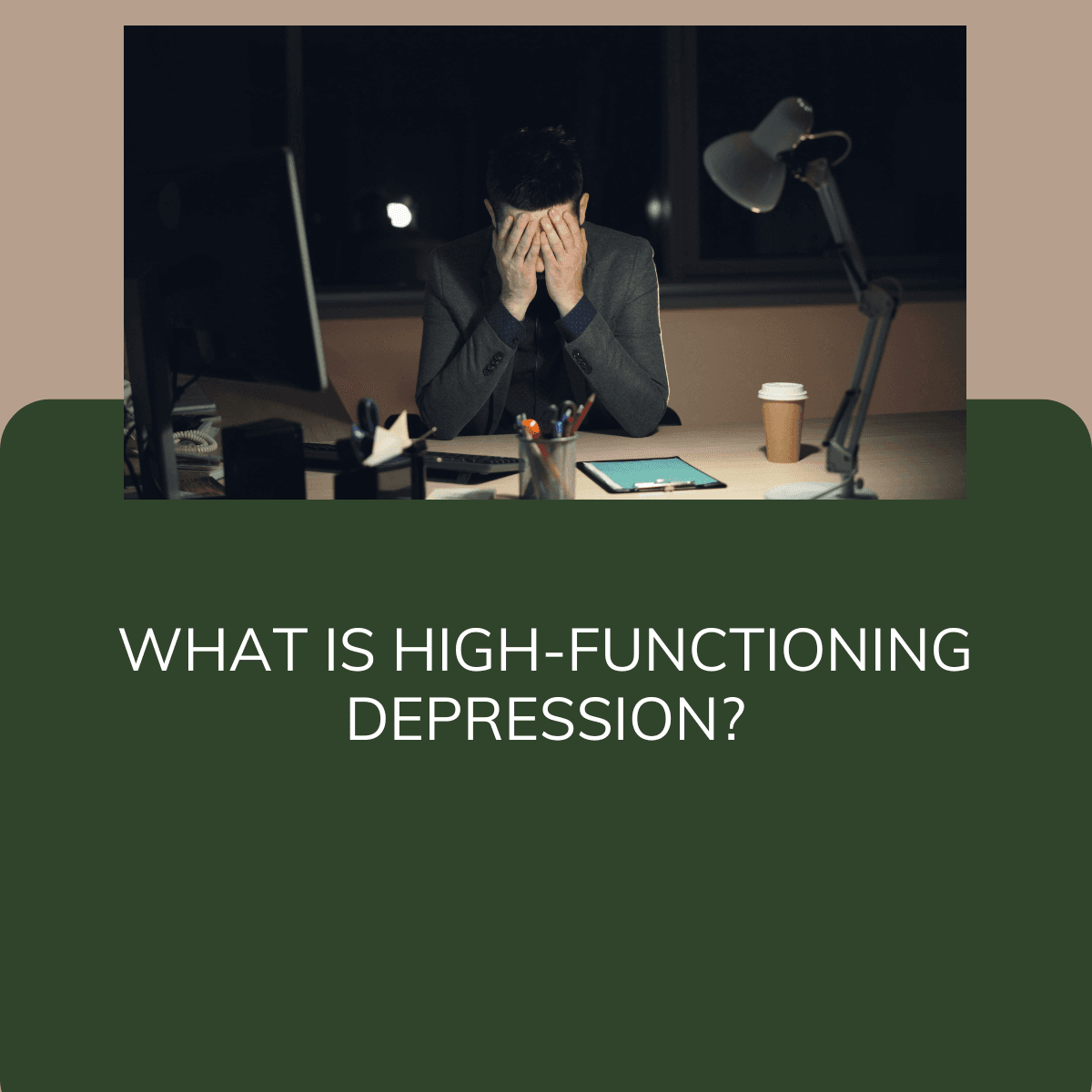
High-functioning depression is not an official diagnosis, but it's a term used to describe people who experience feelings of depression while being able to maintain their daily responsibilities. People who experience it still show up at work. They meet their deadlines, answer their emails, and manage to keep a full schedule. Because of this, from the outside, everything looks fine; no one could tell. But from inside, the world looks different. Some warning signs to look out for include: —...
Because burnout is rarely just an individual problem. Research consistently shows that focusing only on the employee, through stress management tools, meditation apps, or reduced hours, is not enough. The most effective and lasting results come from combining individual and organisational approaches. In my work with clients recovering from burnout, one factor makes a profound difference: what they return to. Receiving leadership support, a safe space to talk about vulnerabilities, flexibility...
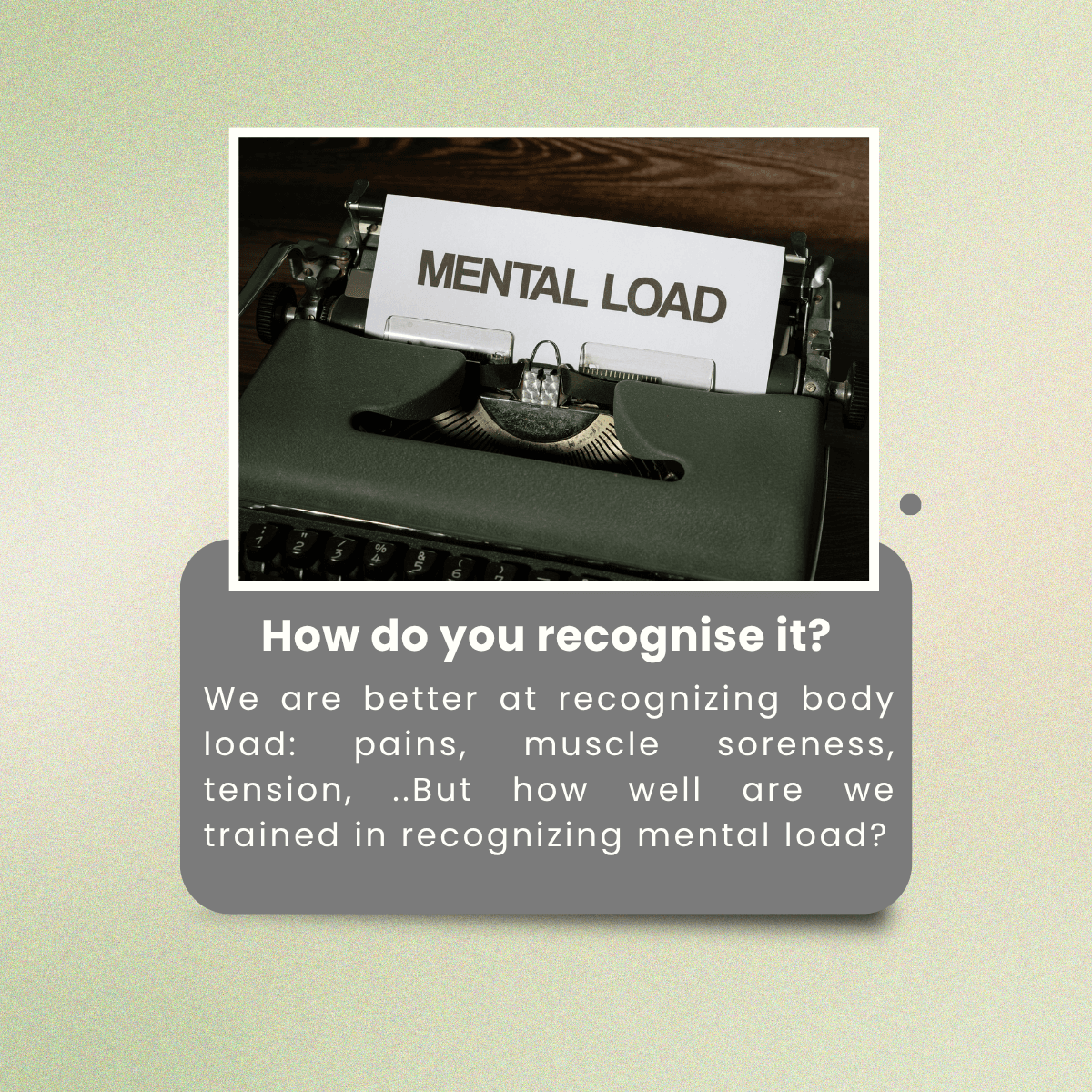
Perhaps nowhere do we undervaluate the importance of recovery as much as in the mental dimension of our lives. In most work environments, we receive the message that working longer and continuously is the best route to high performance. Slowing down, taking breaks, or prioritising wellbeing is rarely promoted. But we are all aware that the ability to think clearly, make good decisions, and stay focused is a key factor in our performance. Much as it is true physically and emotionally, the...
Yesterday, I revisited the opening chapter of John Steinbeck’s The Grapes of Wrath. There is a beautiful scene where, after the corn is destroyed by the dust, the women and children watch the men. They aren't looking at the ruins of the crop; they are looking at the faces of the men to see if they will break. Steinbeck writes that as long as the men were angry, they were safe. It was only if they became silent and despairing that the real danger began. As a psychotherapist working with the...
As a therapist, I rarely see burnout as a simple result of an increasing workload. That’s a one-sided perspective that leaves out the power of the person experiencing it. As if we have no agency in how much we take on. In my work, I meet people who: Don’t trust themselves to set boundaries around their time and energy. They are driven by perfectionistic standards, and nothing seems to be good enough. Rely on external validation to feel worthy and fail to give themselves praise and credit for...
A fish doesn’t know it’s in water because water is its normal environment. In the same way, people under chronic stress often don’t realize they’re stressed. The stress becomes their “normal.” Until being generally tired and stressed turns into exhaustion that is overwhelming. People start feeling tired almost all the time, both physically and emotionally, regardless of how many breaks and vacations they take. They start to dislike a job they usually enjoyed, productivity sinks, and...
The more I work with couples, the more I notice a similar pattern. At the beginning of a relationship, we often see our partner’s best qualities: their planning skills, their generosity, or maybe their willingness to help others. But over time, especially under stress or during conflict, we begin to focus on what's lacking. Plus, the very strengths we once admired can start to feel like obstacles to the relationship's harmony. We begin to complain or criticize: “You plan too much; we never do...
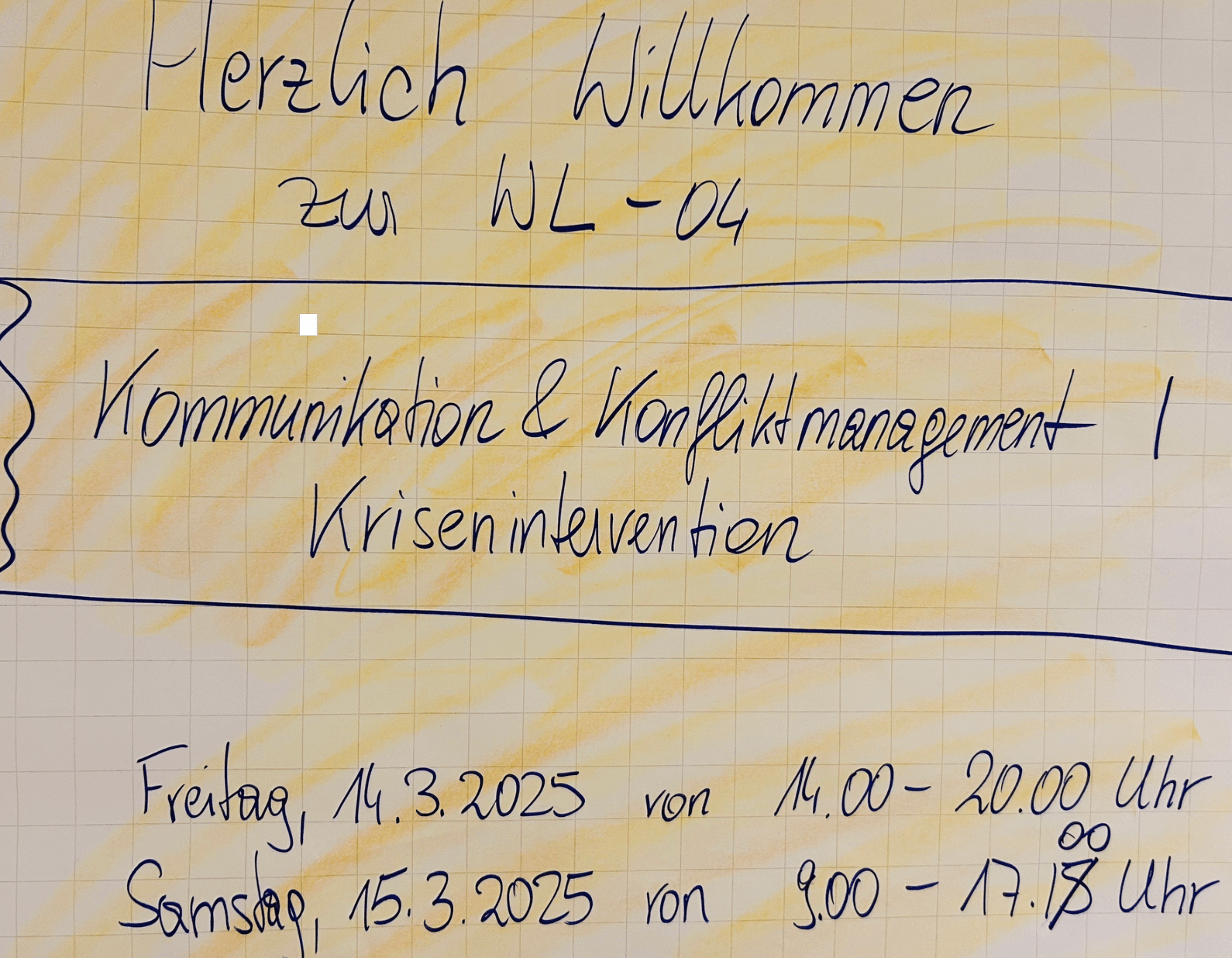
As a therapist, I often see how conflicting expectations create tension—whether in romantic relationships or the workplace. We all step into roles with assumptions about what we and others “should” do. But when these expectations aren’t clearly communicated, misunderstandings, frustration, and resentment can build. Last weekend, at a Communication and Conflict management seminar, I reflected on how many of the conflicts I see in my clients stem not from bad intentions, but from differing,...
Bicultural relationships are becoming more and more common as people partner across cultures and countries. These relationships can be enriching, offering opportunities to learn and grow together, but they also come with their own set of challenges—especially if you’re living abroad. As a couples therapist, I’ve worked with many bicultural couples over the years. While every relationship is unique, I’ve noticed some common struggles that often come up, such as missing family and friends back...
Starting therapy is a big step and the timeline for reaching that decision looks different for everyone—whether it takes years, months, or just a few days. Several factors influence this decision such as your readiness for change, the perception you have about psychotherapy, finding a therapist who speaks your language or is in your area, and financial considerations. Once you’ve made that decision, the most natural question is „What will happen during the first session?“ In my experience,...
How we view ourselves reflects in our relationships. If you have an underestimated or an overestimated view, it is worth challenging it and thriving toward a realistic, accepting, and compassionate one. We all have the potential to strive for self-development. Even if we didn’t grow up in a loving, affectionate, and accepting family, we still can change and become a better self. The level of self-esteem is not set once and for all in childhood. It can shift throughout a lifetime. We all make...
In my psychotherapeutic praxis, many of my clients are expats and other internationals. I am deeply concerned to see teens and young adults complaining about being bullied in school. Moreover, I am saddened to hear that some students are avoiding going to school altogether out of fear of their schoolmates and teachers. I am surprised to hear from adults with different cultural backgrounds complaining about their difficulty adjusting to Austrian work culture or being victims of discrimination....
Sometimes we are attracted to the wrong partner in our lives, and we end up in a cycle of unhappiness, unable to get out. Why is this happening? John Bowlby was the first one to discover that: „all humans share the primitive instinct that familiarity means safety “. This means, that if we grew up with caregivers who couldn’t and didn’t satisfy our emotional needs (of love, attention, empathy, safe boundaries, praise, safety) we might feel subconsciously drawn to partners who are treating us...
We all have a deep desire to feel heard and to know that others care enough to listen. Talking to someone who is not listening can leave us with feelings of frustration, disappointment, or not being cared for. This is what I hear often from children, partners, daughters and sons, and employees who are asking for my help. Couples that have been together over a longer period, recognize that after some time in the relationship, they reach a point where they fail to listen consciously and...
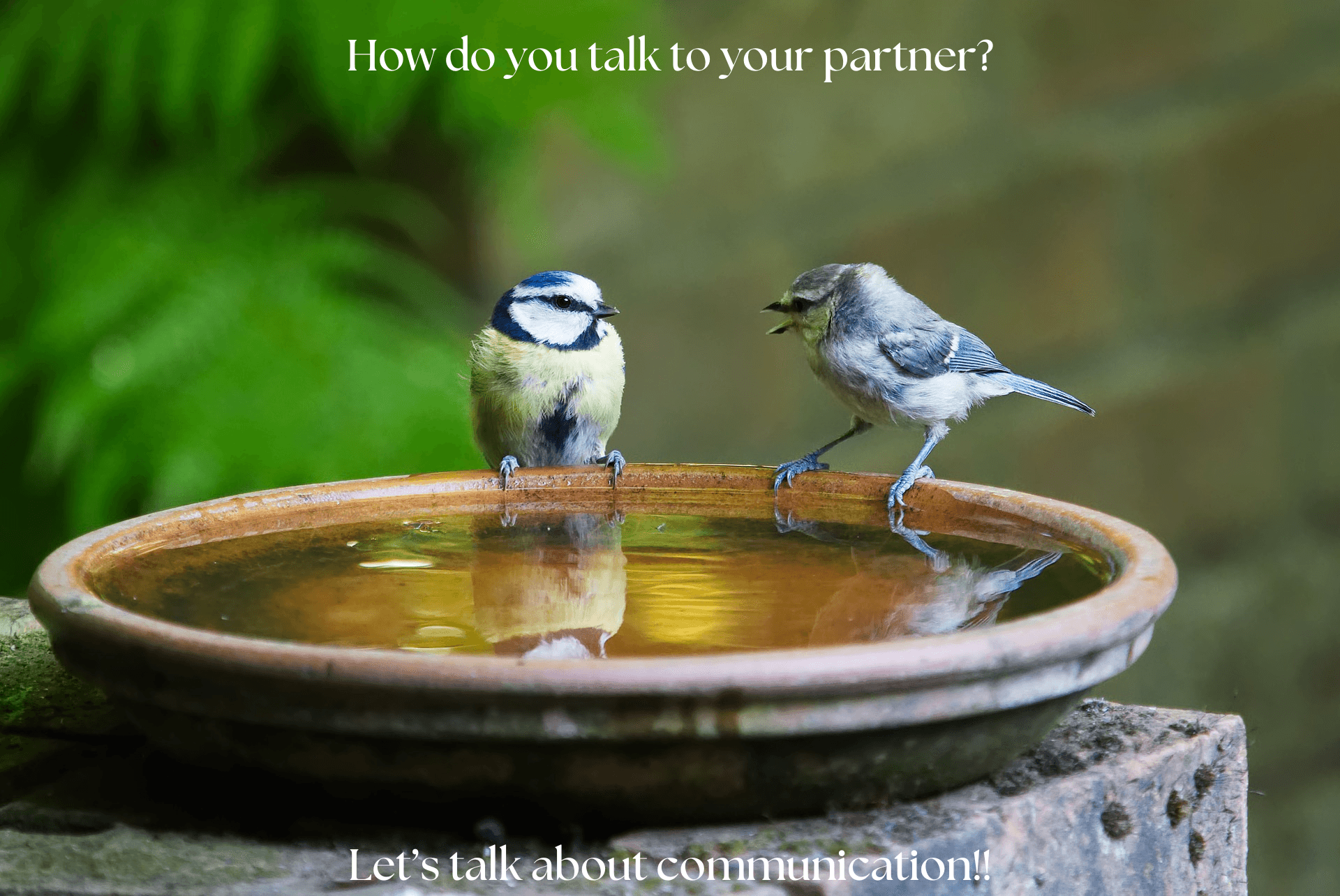
I have an experiment for you: How about the following days, you take a step back to observe the way you talk to your partner, wife, or husband? Then do a small evaluation and see how satisfied you are. Do you like the way you communicate with your loved one or is there something you’d like to change? There is a reason behind my experiment. As I have discovered while reading H. Markman’s book „Fighting for Your Marriage“, there are four main types of talk partners engage in: Casual talk. Is...
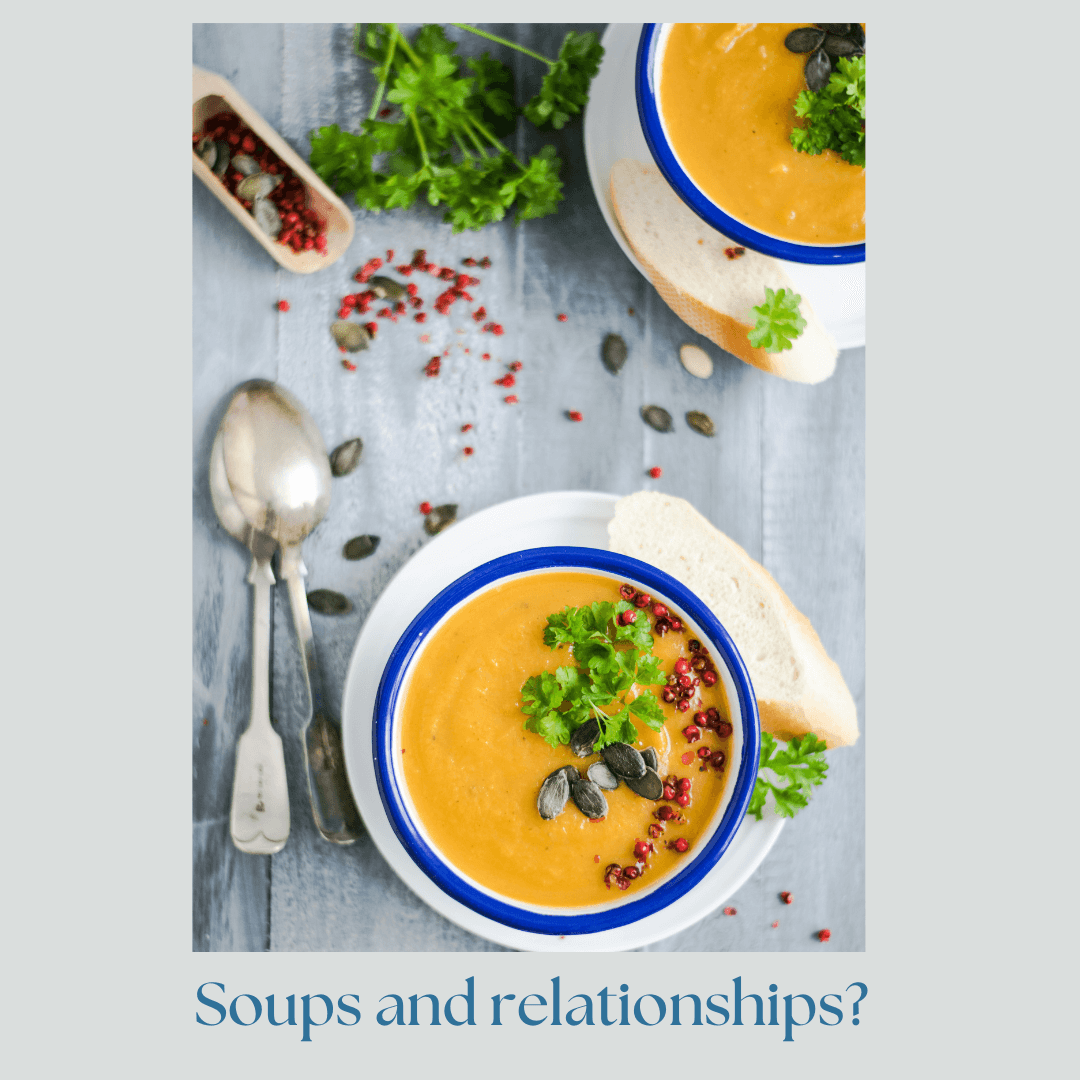
You might be wondering what a picture of a soup has to do with therapy. There is a reason. I am not only a therapist. I have a passion for cooking, and I love trying new recipes. And one of my favorite shows is Chef’s Table on Netflix. So, what is the connection? The answer is simple. One thing all chefs have in common is their dedication to selecting and using the tastiest, freshest ingredients. Sometimes they care directly for the garden and make sure that they harvest the best vegetables....
The quality of our communication and the quality of our lives are directly related. The more skilled we are in communicating with others, the more successful we are likely to be, both personally and professionally. People who communicate well will be able to cope better with stress, adapt better to major changes in life, have more friends, and are less likely to suffer from depression, loneliness, or anxiety. In romantic relationships, effective communication skills are one of the best...
Building a lasting loving relationship requires the nurturing of various key elements: physical affection, trust and respect, friendship, emotional regulation ability, empathy, and effective communication. In this blog post, I wish to emphasize the significance of physical affection in sustaining a loving relationship. This realization came to me especially while observing couples struggling with frequent conflicts or experiencing a gradual disconnection from each other, claiming they are not...
Knowing what your natural style of communication is can be a valuable step in improving your interaction in all contexts and relieving social stress. One of the most common communication models describes 4 types: The assertive type The passive type The aggressive type The passive-aggressive type. The awareness of this model helped me better understand my clients who very often describe their problems as: • "I am the one who keeps silent during a meeting unless really necessary “ • „I...
Money can be a great source of stress for many. This is what my clients are telling me about money that creates stress, and unhappiness: • „ I earn very well, but the fear of losing my money makes me work relentlessly to make sure I’ll always have enough“. • „I spend my money regularly on small things and I fail to set aside for a bigger, long-term project (house)“. • „Whenever I feel sad, lonely, or bored, I shop online and buy things I later regret buying“. • „My partner and I argue a lot...
While doing research for the Stress reduction program I want to create, I discovered what my main problem with stress was: My mindset about it and the response I had. Let me explain. Most of us have some kind of automatic response that we develop in time when we encounter stressful situations. The usual response we have is one of these two: 1. Ineffective responding. 2. Effective responding The first response (that I realized I have), was a complaining response. I was just wishing that things...
Often people visit my office with the goal of helping them in making a decision. Not an easy task when it’s about life-changing decisions, like: should I divorce or should I stay in this relationship, should I accept this new job/position, should I move to another country, or which partner is the best for me? The predominant feeling is ambivalence: “I want this, but I also want that”. Or fear and regret: “I am afraid that if I choose this, I’ll lose that”, “What if things go wrong?” Some...
Often people visit my office to help them make a decision. Not an easy task when it’s about life-changing decisions, like: should I divorce or should I stay in this relationship, should I accept this new job/position, should I move to another country, which partner is the best for me? The predominant feeling is ambivalence: “I want this, but I also want that”. Or fear and regret: “I am afraid that if I choose this, I’ll lose that”, “What if things go wrong?” Some other people might experience...
When I started school, I learned that couple therapy is when two people who want to work on their relationship come to therapy and work things through. Now, years later, and with a lot more experience with couples, I know it is much more than that. One of the most difficult tasks I encounter as a therapist is to support couples going through an affair. Contrary to the idea that once this happens, there are no more chances for the couple to continue being together, I’ve experienced that it is...
We all experience times of heated discussions when we are angry, irritated, or annoyed by our partners, co-workers, or friends. It is how we behave in response to these feelings that make the difference in the course of our relationships: it can make it better or worse. While irritation and annoyance are easier to manage, anger is an unproductive feeling. Although it is a useful signal, a “warning light” that causes us to act, as a solution, anger rarely helps, for it adds fuel to the fire...
Conflict is part of any couple. As Esther Perel said, couples go through a cycle of harmony, disharmony, and repair. A good fight is one that ends with a resolution and repair.A bad fight is a negative escalation based on attacking, blaming, and offending the other. While good fights lead to building a stronger foundation of a couple, a bad fight will weaken it to the point of breaking it up. Even a strong love cannot last in the face of criticism, blame, or contempt. To help you fight...
Today I rediscovered by mistake in my notes a line that belongs to Haruki Murakami, my favorite author. He said: „At some point, everything has to be told. If you don't, you remain forever a prisoner of the secret you carry in your soul.” His words touched me in a new way, as I understood them from a different perspective, with more experience of life, with more maturity. He made me reflect on my work, where I could find so many examples of people telling me they leave my office feeling...
Even a small moment like sharing a coffee in bed with a loved one can increase the well-being of a couple. Sometimes I give this example to couples that visit my office: „Your relationship is like a beautiful garden: to maintain its beauty it is important to remove weeds and wilted plants that are threatening your beloved flowers. But equally important is to know what special needs your flowers have and how to care for them. Where is a good spot for each: in the sun or the shadow? How much...
Every time I want to write an article, I catch myself debating wether I should or shouldn't write. There is one voice in my head telling me that maybe no one is interested in what I want to say, that there's too much information online anyway, that it will be hard to structure the content or that I'm just not the social-media type. In one word: I am questioning my own writing competence. I have identified this voice as my self-doubt. And I have also noticed that from time to time she is...
Part 1: What do you need to know before setting healthy boundaries? To be able to develop authentic relationships with ourselves, with our family and friends, we need to set clear boundaries and limits that separate our physical and emotional world from others. This process first implies having a clear idea about who we are. Our self - identity starts developing in childhood, intensifies in puberty and emerges in the young adulthood when we understand that we can be part of a family, a...
I was walking my dog the other day while listening to music when my attention got caught by the lyrics of a song: “… I’m a happy dreamer, I believe in love …”. In that moment I realized that I’ve always been the kind of person who believes in love, who looks for it in many things, who strives for self-love. My wish is to share this view with you because I feel and have experienced that love and the connection that comes with it are the antidotes to unhappiness, loneliness, and even...
Practice assistant
Quick answers about the practice
Ask me about the practice. For example:
Please don't share sensitive health details here. This chat is not stored: it stays in your browser for an hour and then disappears.
You are talking to an AI assistant, not a therapist. Chats are not stored. In an emergency call 142 (Telefonseelsorge, day and night) or 144.