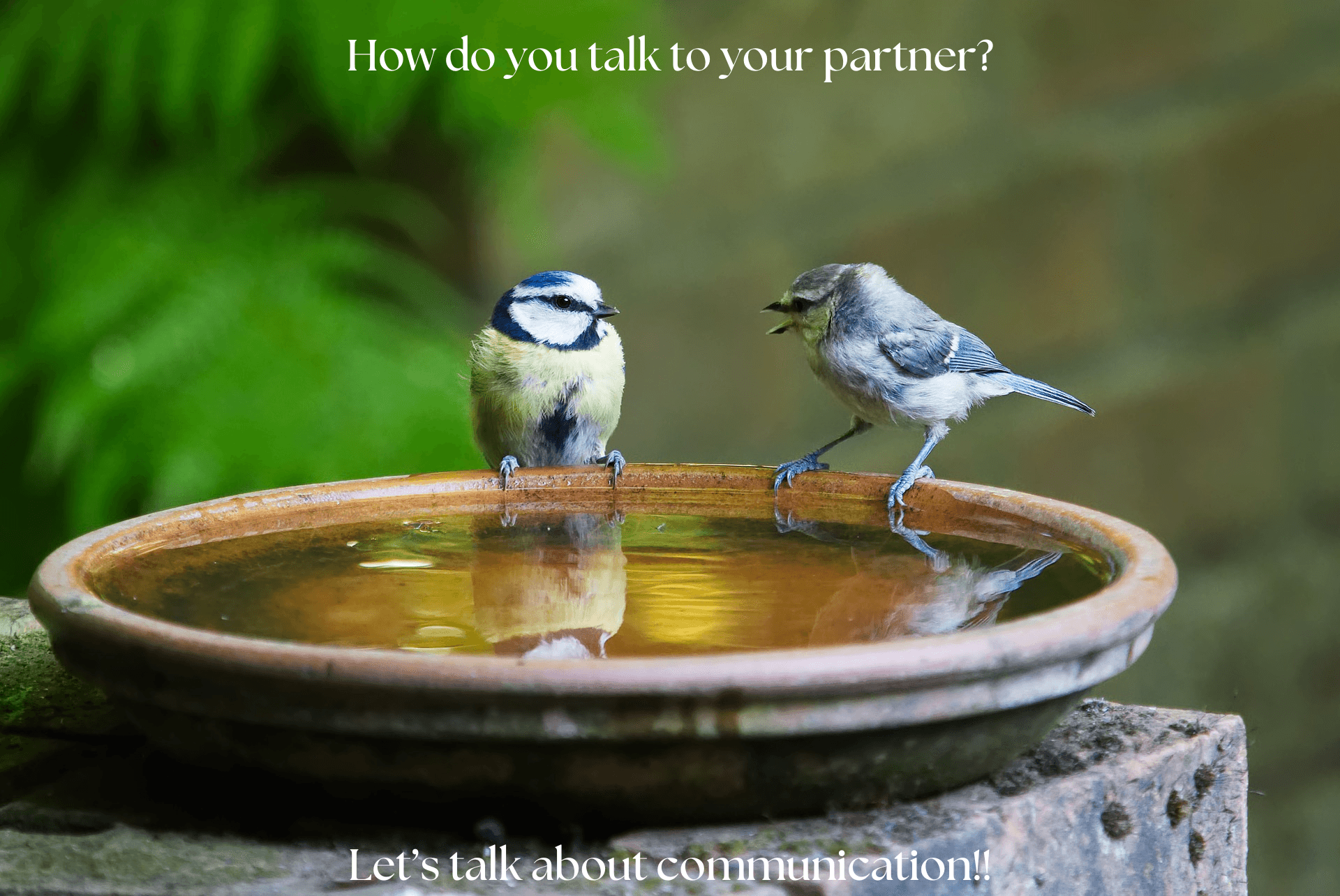
We all have a deep desire to feel heard and to know that others care enough to listen. Talking to someone who is not listening can leave us with feelings of frustration, disappointment, or not being cared for. This is what I hear often from children, partners, daughters and sons, and employees who are asking for my help.
Couples that have been together over a longer period, recognize that after some time in the relationship, they reach a point where they fail to listen consciously and empathetically.
One reason is that as responsibilities increase with starting a family and pursuing a career, taking time for each other becomes an effort.
Another reason is that in time, instead of being present in a conversation, they engage rather in what I call „The chess-move communication“. Knowing their partner, they predict what is going to happen next in the conversation- criticism, attack, accusations, nagging… so they are already preparing the next move- excuses, defense, stonewalling, or attack back, keeping up the same cycle of negative communication.
Empathetic listening turns into critical listening.
Listening empathetically is one of the keys to having satisfying relationships. To become a better listener you should be aware of some important characteristics:
- First, you do it because you genuinely care, not because you are supposed to; So you take time and engage with full attention. Or if you cannot offer it at that specific moment, you give the other person a clear option of a better time.
- You listen from a curiosity stance, without judgment and without giving unsolicited advice; without saying „It happened to me, too“ or „Why do you worry so much, get over it“.
- You do your best to not interrupt at least for up to five sentences or if you do, is to show your understanding or to clarify something. Many people feel disrespected when interrupted.
- While listening, you can notice your internal dialogue, but still respectfully wait to express your understanding of the situation and your feelings.
- You show empathy by trying to put yourself in the other person's shoes, by imagining how this person, with their experiences and background, might see the world differently than you do.
- You are acknowledging their feelings and validating them, even if they don’t match yours.
- If the conversation triggers in you strong emotions of disagreement or frustration, listening might be a hopeless task. To stay authentic in the conversation you also need to be honest about what you are thinking and feeling and let the other person know.
To offer the full experience, empathetic listening should be paired with positive body language. Your genuine interest is reflected in your facial expressions, body language, and tone of voice. Maintain eye contact and avoid distracting behaviors (like yawning, using a phone, or doing something else) while the speaker is talking.
Listening is not an easy skill. Lack of patience, stress, strong emotions, inner dialogue, and even disinterest… are all obstacles to listening.
In my work and private life, although listening is essential, I still have moments when I am not mastering it. To fully understand someone is a difficult task given the fact that we are complex human beings. But I realized that even more important is to show our interest in what someone has to say and to let them feel and see that we are doing our best in trying to understand. This is the most positive message we can deliver to people close to us.
It is the message that we care.