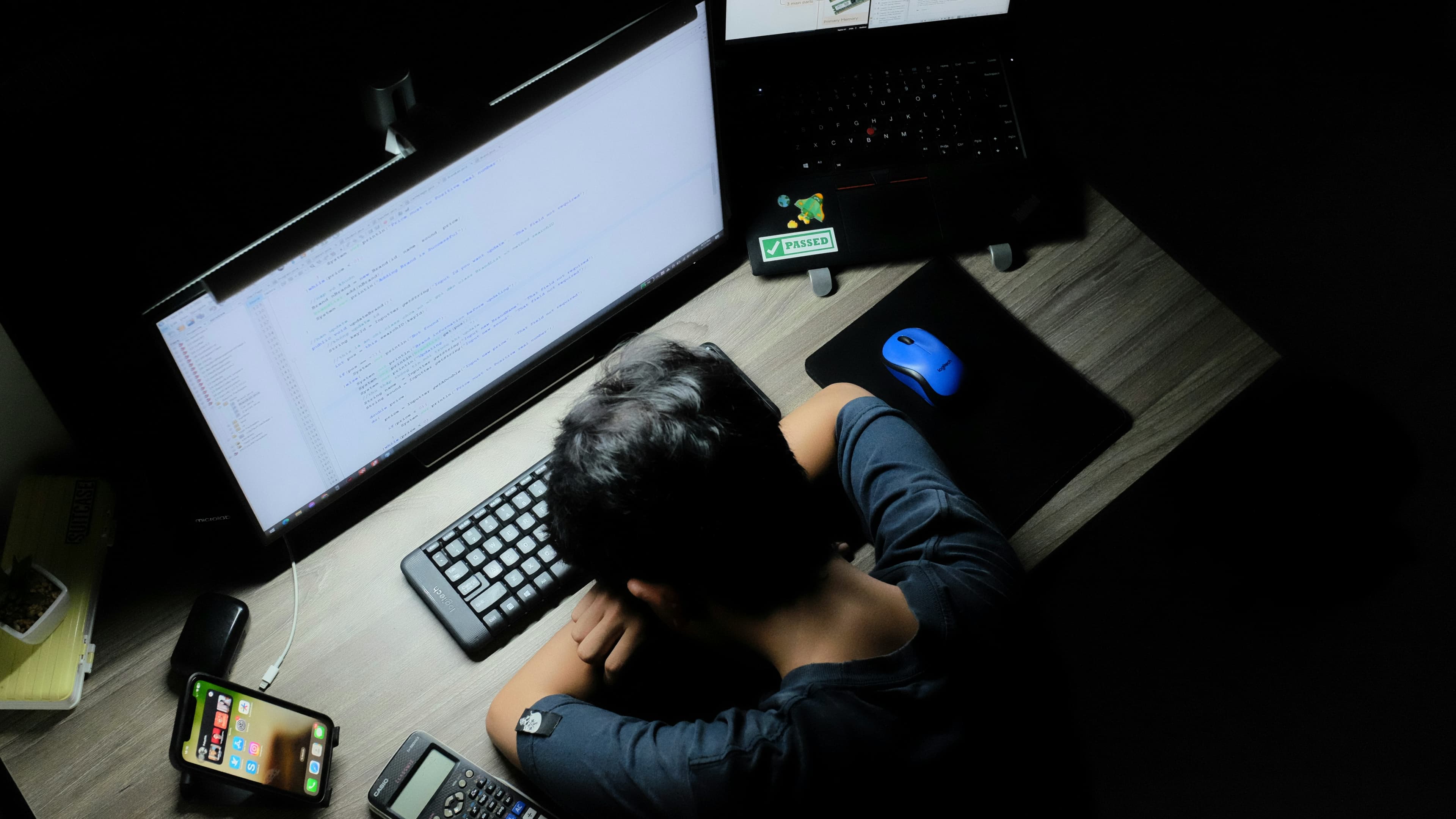
Perhaps nowhere do we undervaluate the importance of recovery as much as in the mental dimension of our lives.
In most work environments, we receive the message that working longer and continuously is the best route to high performance. Slowing down, taking breaks, or prioritising wellbeing is rarely promoted.
But we are all aware that the ability to think clearly, make good decisions, and stay focused is a key factor in our performance. Much as it is true physically and emotionally, the balance of stress and recovery is a critical factor in maximizing cognitive capacity.
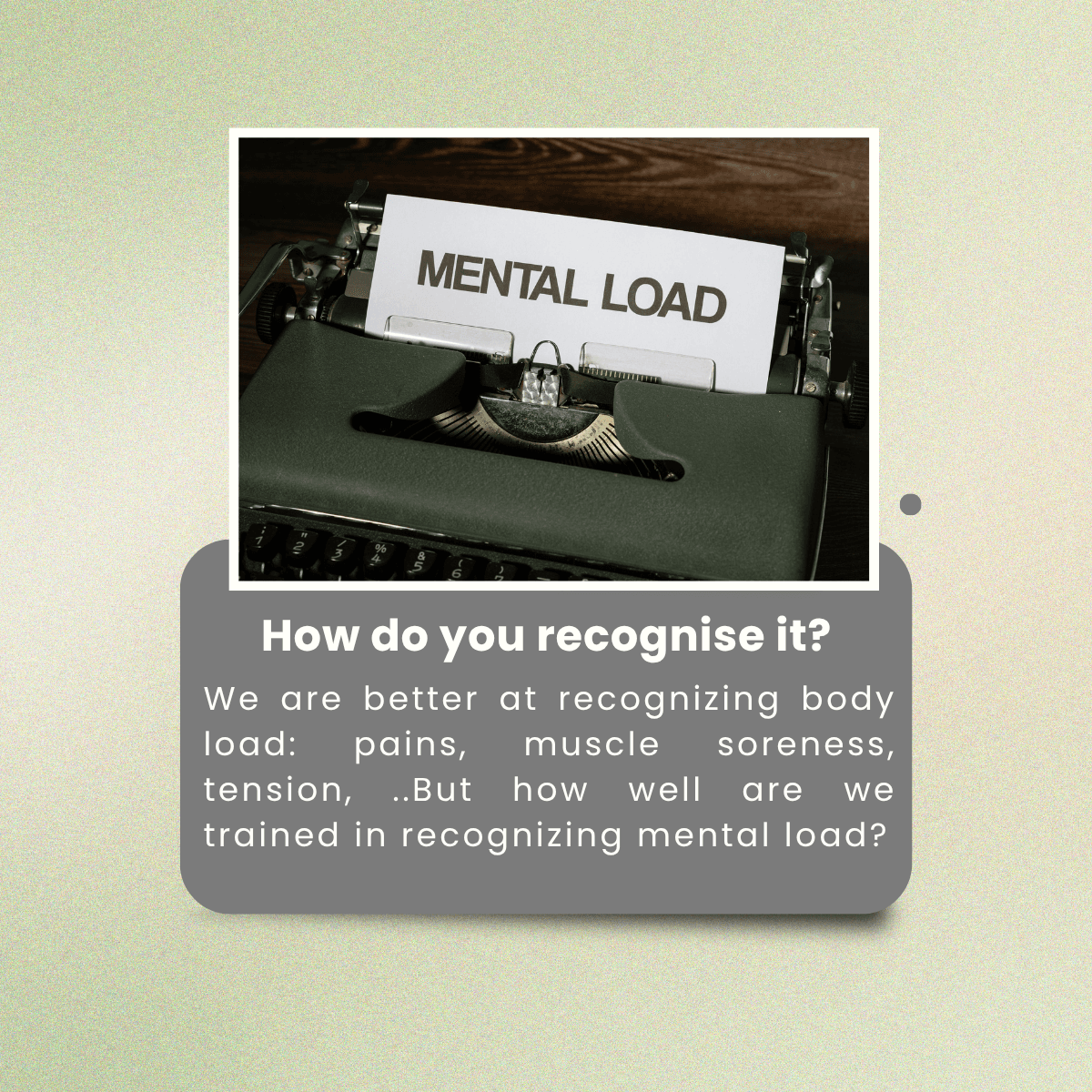
In my work with clients, I consistently notice that people are more attuned to observe physical stress (tension, fatigue, pains, sleep disturbances), and emotional strain (anxiety, irritability, negative thinking) than they are to notice their cognitive signals for overload, which are much more subtle.
Only in hindsight do many recognise symptoms like:
🧠 Decision Fatigue: when even simple choices—like what to cook for dinner—feel difficult or impossible.
🧠 Reduced Focus: when their brain feels like a web browser with "20 tabs open," making it hard to keep focus on a single task.
🧠 Memory Lapses: Forgetting small details, missing appointments, or frequently rereading the same sentence to get its meaning.
🧠 Procrastination: Feeling so overwhelmed by the volume of tasks that they become "paralysed" and avoid starting anything at all.
🧠Decreased creativity- leading to difficulty in solving problems.
🧠More negative view of the world- a tendency to focus on the lack and negative comparison to others.
The good news is that these are not signs of inefficiency. They’re signals that your mental resources are depleted and need breaks and recovery.
The key point here is not to wait until overload becomes visible, but to recognise the signals early and take measures before your performance quality, mental focus, and overall well-being start to decline.
Planning small interventions: breaks, short walks, or just a few minutes to close the eyes, helps in the moment. But long-term cognitive resilience is built intentionally with the help of a healthy routine, such as physical exercise, journaling, meditation, yoga, and spending more time in nature.
I wonder which of these signs can you recognise in your daily performance more often?
#EmotionalWellbeing#MentalOverload#BurnoutPrevention#WorkplaceMentalHealth