Standing in the Dust: What a Classic Novel Teaches Us About Expat Resilience in Vienna
By Mag. Elena Padurariu · · 3 min read
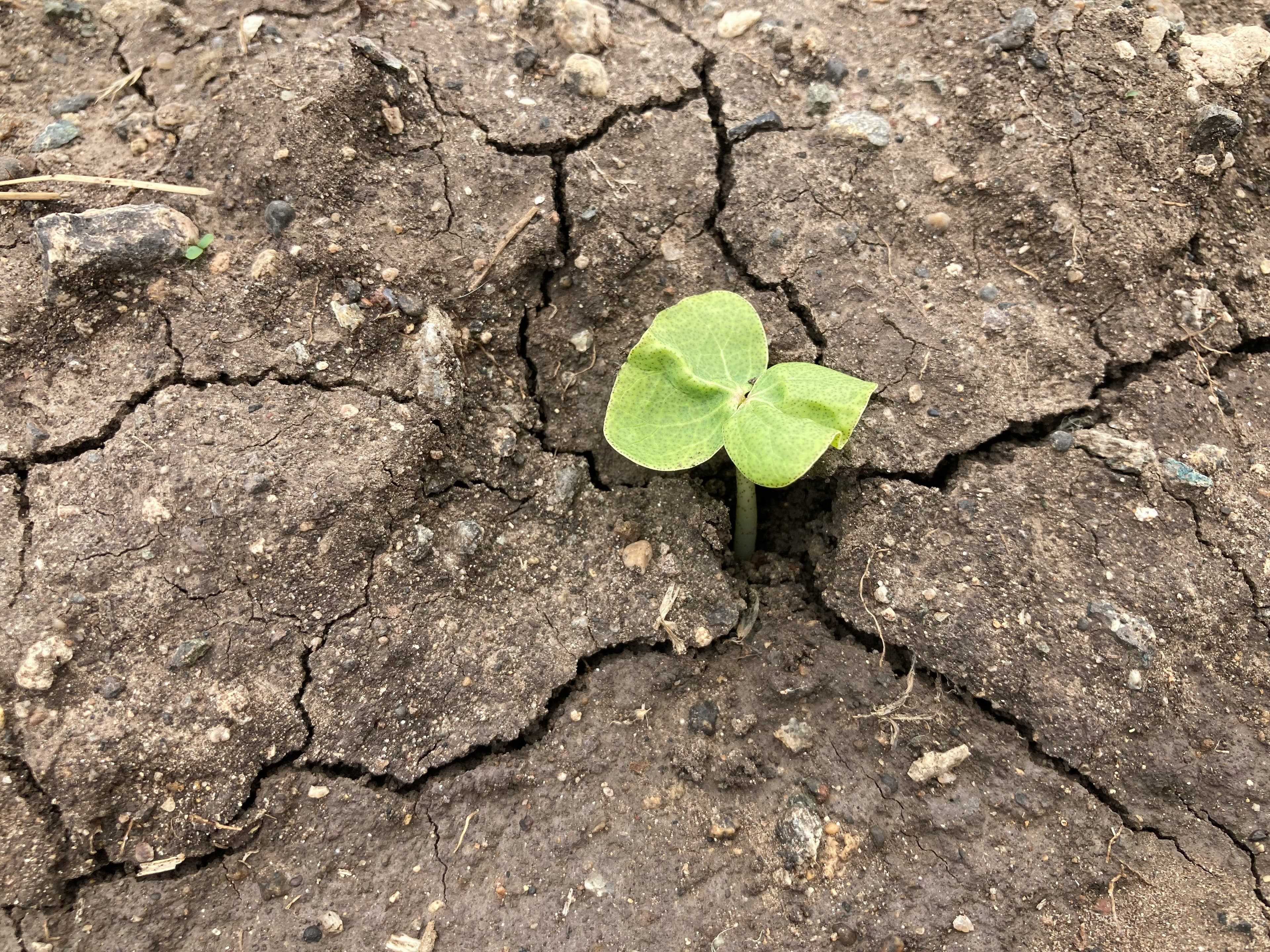
Yesterday, I revisited the opening chapter of John Steinbeck’s The Grapes of Wrath. There is a beautiful scene where, after the corn is destroyed by the dust, the women and children watch the men. They aren't looking at the ruins of the crop; they are looking at the faces of the men to see if they will break. Steinbeck writes that as long as the men were angry, they were safe. It was only if they became silent and despairing that the real danger began.
As a psychotherapist working with the expat community here in Vienna, this scene resonates deeply. Many of us have moved here, leaving behind our "crops"—our familiar contexts, our professional networks, and our support systems. When the "dust storms" of transition, career stress, or isolation hit, our families and our own inner selves are watching to see: Will we survive this?
Resilience is not a stoic mask; it is a biological process of the nervous system that we can navigate together.
When stress pushes us into anxiety or depression, it doesn’t just affect us internally—our state is sensed by our partners, children, and colleagues. As long as we’re still “in the fight,” there’s movement. The danger lies in shutdown, where hope quietly drains away.
My work is to help you realize that these aren't just "feelings"; they are physiological states that dictate the "story" you tell yourself about your life.
The Three Cs of the Hardy Personality
Steinbeck’s men survived the initial shock because they possessed what researchers call a Hardy Personality. Hardiness is a buffer against the wear and tear of chronic stress. It consists of three essential elements:
- Commitment: Having a sense of purpose that makes setbacks feel like minor obstacles on a larger journey.
- Challenge: Expecting that life in a new culture will be difficult and viewing those difficulties as opportunities for growth rather than personal attacks.
- Control: Shifting from a "victim" narrative to an internal locus of control, where you realize that while you cannot control the "weather," you can control your response.
Beyond "Toughing it Out"
The men in Steinback's novel had to be "tough," but modern psychology shows us that toughening is actually a form of biological conditioning. Controlled levels of stress—like moving to a new city or learning a difficult language—can actually strengthen you against future crises, provided you have the tools to return to a state of safety afterward.
However, the great danger occurs when we stop listening to our bodies and live only in the anxious stories of our minds. In those moments you might find yourself reaching for "quick fixes"—the extra glass of wine, the endless scrolling, or overworking—to numb the discomfort.
Why Therapy is Your "Internal Map"
In the Steinbeck scene, the men eventually broke their silence and began to plan. They moved from a reactive state to a prospective state.
This is where the importance of my work lies. I help expats in Vienna transition from being "acted upon" by their environment to being active operators of their own nervous systems. We work to:
Identify your “Anchors”: Finding the people, places, and practices that
bring you back to safety.
- Settle the “Storm”: Using stillness to create space between a stressor and your reaction.
- Rewrite the Story: Moving from a "it’s all ruined story" to a "redemption story" (where you are the hero of your own transition).
The transition may be hard. The dust may still be in the air.
But you don’t have to stand in it alone, and the story on your face can still be one of strength and possibility.