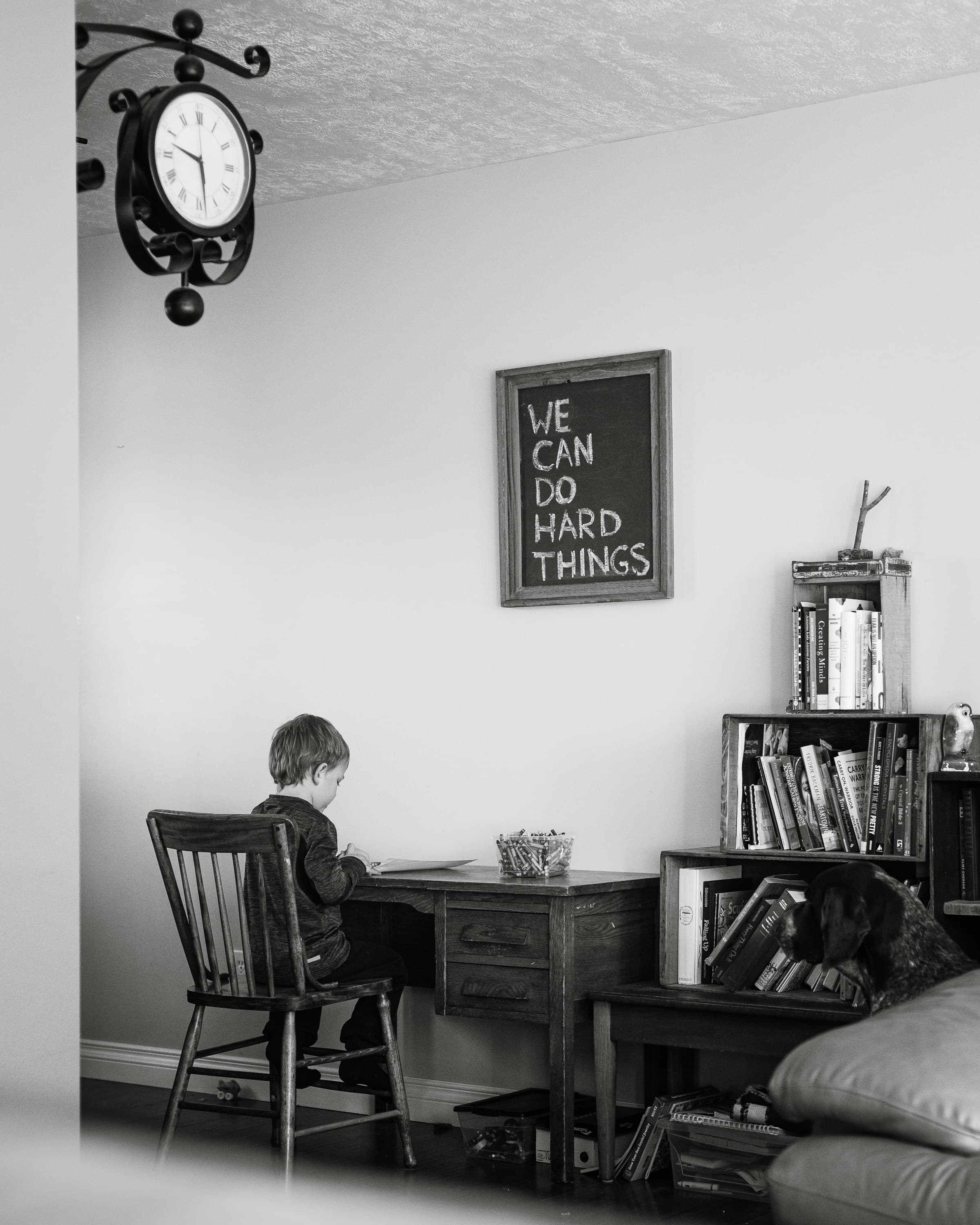
The connection between stress, self-worth, and self-appreciation
By Mag. Elena Padurariu · · 3 min read

From my work experience in treating people suffering from stress, I have understood how closely interconnected stress and self-worth are. The value that each of us attributes to ourselves, plays an important role in our mental and emotional well-being. Here is how:
- Most people with low self-worth often engage in negative self-talk and self-criticism. Having predominant negative thoughts can lead to feelings of anxiety and depression. The result is low sleep quality, unhealthy behaviours, and lack of energy and focus.
- Low self-worth can lead to perfectionism. People feel they have to prove themselves constantly. They complain about taking too many work responsibilities and being exhausted. They set high standards for themselves. Or they may fear failure which can lead to procrastinating or avoiding tasks and challenges that they are not comfortable with.
- Looking for external validation and approval is also a sign of lower self-worth. Always helping others, and not being able to say no, these people cannot find a good balance between meeting their own needs and those of others.
- The Impostor syndrome can be another source of stress for people who doubt their own abilities and who are afraid of being exposed as not being at the level of what is expected of them. What I have noticed in most of the people I have worked with is that they fail to acknowledge their successes and accomplishments, they are not aware of their strengths and skills.
Is there something we can do?
There are many ways to improve our self-worth. Self-awareness, self-care activities, mindfulness and exercising, seeking external support when needed, and setting realistic goals, are all ways to improve the value we attribute to ourselves.
However, I find that because self-worth depends so much on the messages we deliver to ourselves, finding a balance between self-criticism and self-appreciation in our lives. plays a pivotal role. I respect the importance of self-criticism, as an agent to push us forward, to refine our knowledge, to improve ourselves in all areas. But when it is too strong or too much, our self-image suffers.
In order to live a less stressful life, we need self-appreciation too. This will be the base of improving the relationship not only to ourselves but also to others because the one who can learn to appreciate him/herself will learn to spot goodness and appreciate others, fostering more positive relationships.
Below I created a list of practices we can use to improve the balance between self-appreciation and self-criticism:
- Treat yourself with respect and request others to do the same.
- Stop always searching for validation outside. You can never please everyone. Find your inner guide, know your values, and act upon them.
- Practice self-compassion and self-love instead of self-beating.
- Learn to recognize and combat your negative thoughts. They are not entirely true.
- Keep track of your achievements and things that make you proud of yourself.
- Use positive self-talk to support and encourage yourself, as if you'd be your own supportive coach.
- Surround yourself with people who support and encourage you and same time who can give you constructive feedback.
- Avoid comparing yourself to others. Acknowledge your unique strengths and characteristics.
The list doesn’t end up here. It’s an open invitation to find your own appreciation-busting practice and to start from there. So please feel free to share your ideas! My purpose was to create awareness around self-appreciation and its role in our lives.
Please feel free to share my article