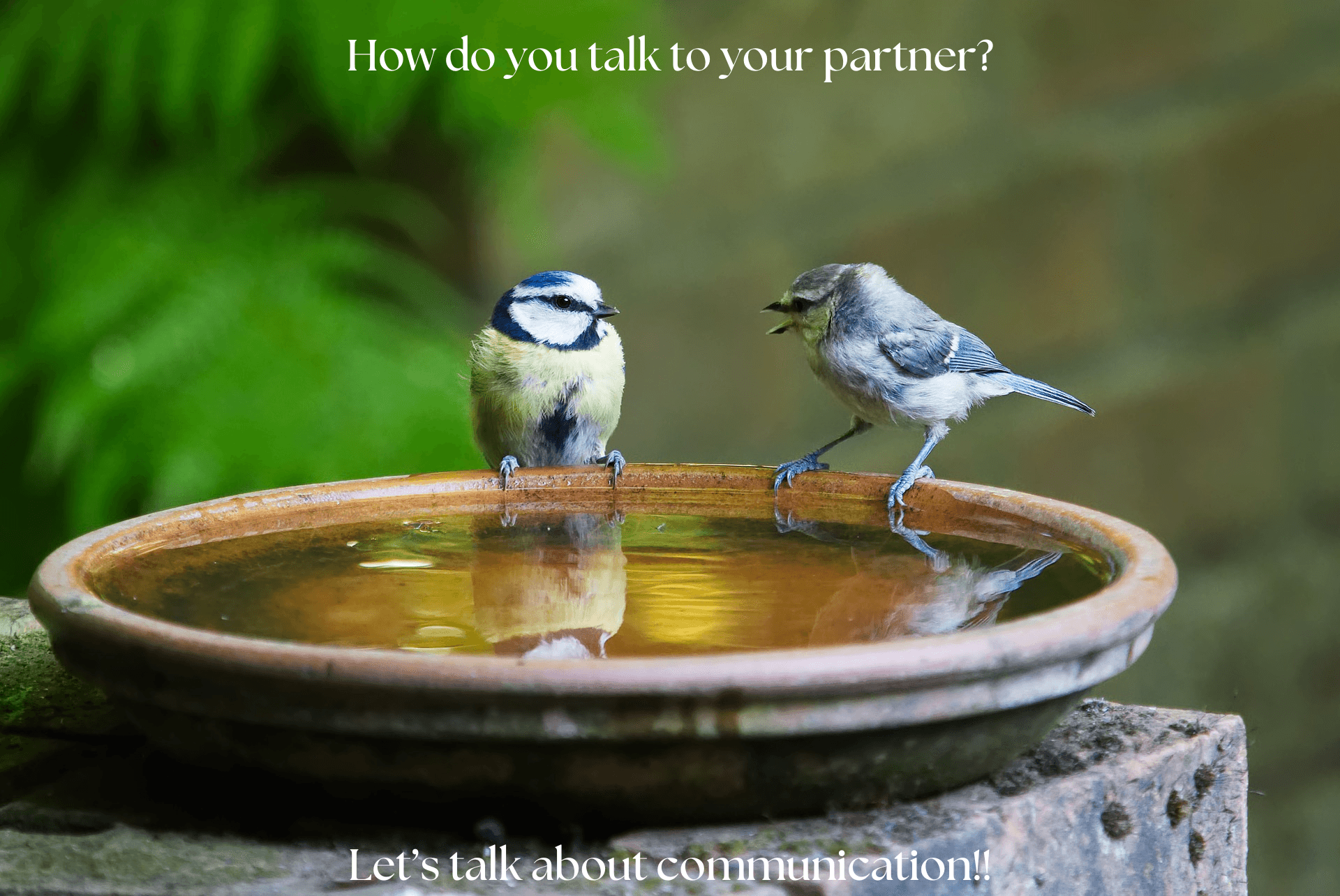
Many people come to therapy hoping to learn better communication skills: to argue less, express themselves more clearly, and finally feel understood. Yet in years of working with couples, one pattern stands out: communication itself is rarely the biggest obstacle. What gets in the way is less visible than that. In conflict, we stop being curious about our partner’s inner world and start assuming instead. “You don’t care.” “You’re doing this on purpose.” “You always think I’m the problem.”...
When we hear the word resilience, we usually think of an individual's ability to adapt to difficult life experiences through emotional flexibility, self-awareness, and healthy coping. But what about relationships? Relational resilience is the ability of a couple to navigate challenges, recover from disconnection, and emerge from difficult times feeling stronger and more connected. Resilient couples don't avoid conflict; they learn from it and use it to strengthen their foundation. Can...
The more I work with couples, the more I notice a similar pattern. At the beginning of a relationship, we often see our partner’s best qualities: their planning skills, their generosity, or maybe their willingness to help others. But over time, especially under stress or during conflict, we begin to focus on what's lacking. Plus, the very strengths we once admired can start to feel like obstacles to the relationship's harmony. We begin to complain or criticize: “You plan too much; we never do...
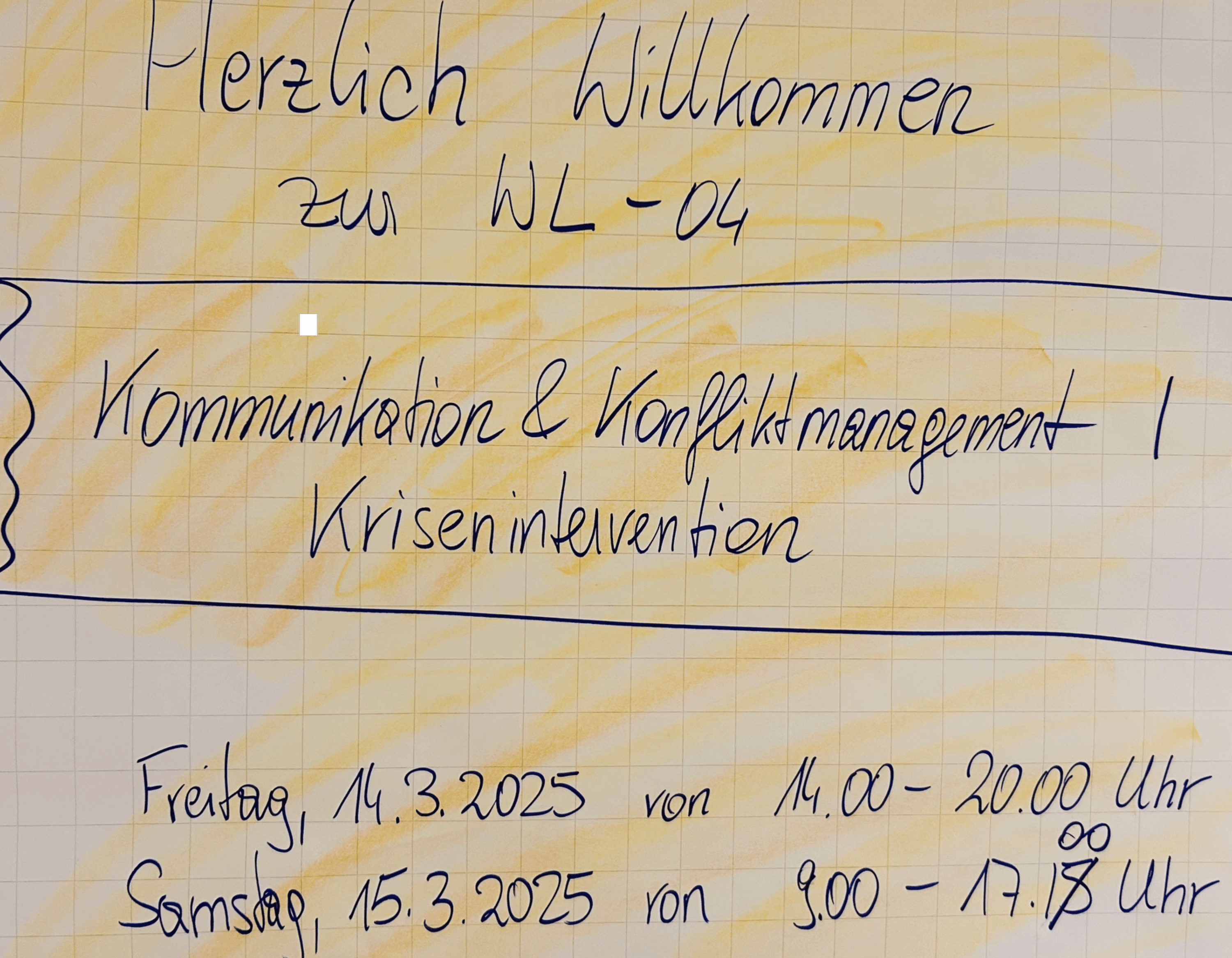
As a therapist, I often see how conflicting expectations create tension—whether in romantic relationships or the workplace. We all step into roles with assumptions about what we and others “should” do. But when these expectations aren’t clearly communicated, misunderstandings, frustration, and resentment can build. Last weekend, at a Communication and Conflict management seminar, I reflected on how many of the conflicts I see in my clients stem not from bad intentions, but from differing,...
Bicultural relationships are becoming more and more common as people partner across cultures and countries. These relationships can be enriching, offering opportunities to learn and grow together, but they also come with their own set of challenges—especially if you’re living abroad. As a couples therapist, I’ve worked with many bicultural couples over the years. While every relationship is unique, I’ve noticed some common struggles that often come up, such as missing family and friends back...
Sometimes we are attracted to the wrong partner in our lives, and we end up in a cycle of unhappiness, unable to get out. Why is this happening? John Bowlby was the first one to discover that: „all humans share the primitive instinct that familiarity means safety “. This means, that if we grew up with caregivers who couldn’t and didn’t satisfy our emotional needs (of love, attention, empathy, safe boundaries, praise, safety) we might feel subconsciously drawn to partners who are treating us...
I have an experiment for you: How about the following days, you take a step back to observe the way you talk to your partner, wife, or husband? Then do a small evaluation and see how satisfied you are. Do you like the way you communicate with your loved one or is there something you’d like to change? There is a reason behind my experiment. As I have discovered while reading H. Markman’s book „Fighting for Your Marriage“, there are four main types of talk partners engage in: Casual talk. Is...
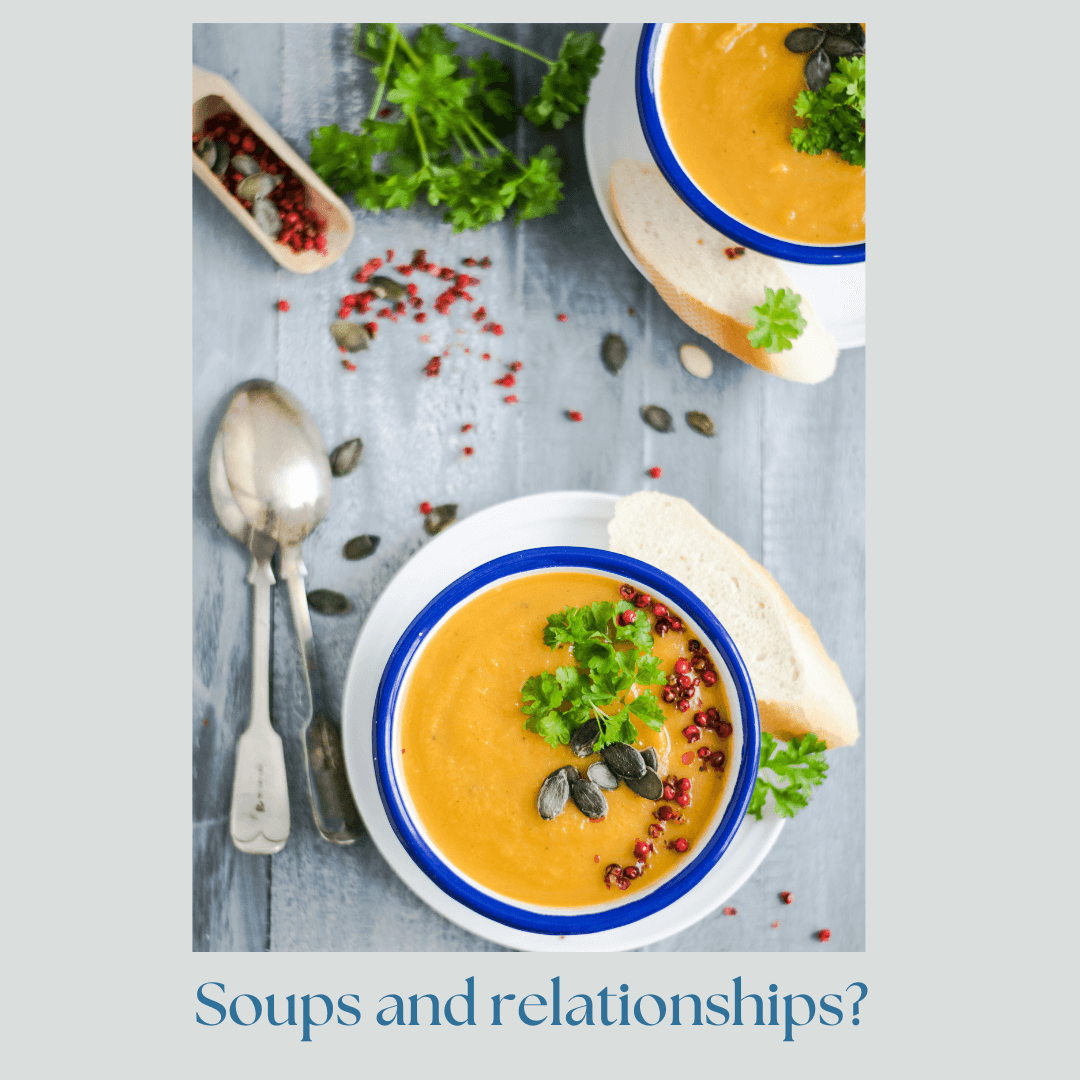
You might be wondering what a picture of a soup has to do with therapy. There is a reason. I am not only a therapist. I have a passion for cooking, and I love trying new recipes. And one of my favorite shows is Chef’s Table on Netflix. So, what is the connection? The answer is simple. One thing all chefs have in common is their dedication to selecting and using the tastiest, freshest ingredients. Sometimes they care directly for the garden and make sure that they harvest the best vegetables....
Building a lasting loving relationship requires the nurturing of various key elements: physical affection, trust and respect, friendship, emotional regulation ability, empathy, and effective communication. In this blog post, I wish to emphasize the significance of physical affection in sustaining a loving relationship. This realization came to me especially while observing couples struggling with frequent conflicts or experiencing a gradual disconnection from each other, claiming they are not...
When I started school, I learned that couple therapy is when two people who want to work on their relationship come to therapy and work things through. Now, years later, and with a lot more experience with couples, I know it is much more than that. One of the most difficult tasks I encounter as a therapist is to support couples going through an affair. Contrary to the idea that once this happens, there are no more chances for the couple to continue being together, I’ve experienced that it is...
We all experience times of heated discussions when we are angry, irritated, or annoyed by our partners, co-workers, or friends. It is how we behave in response to these feelings that make the difference in the course of our relationships: it can make it better or worse. While irritation and annoyance are easier to manage, anger is an unproductive feeling. Although it is a useful signal, a “warning light” that causes us to act, as a solution, anger rarely helps, for it adds fuel to the fire...
Conflict is part of any couple. As Esther Perel said, couples go through a cycle of harmony, disharmony, and repair. A good fight is one that ends with a resolution and repair.A bad fight is a negative escalation based on attacking, blaming, and offending the other. While good fights lead to building a stronger foundation of a couple, a bad fight will weaken it to the point of breaking it up. Even a strong love cannot last in the face of criticism, blame, or contempt. To help you fight...
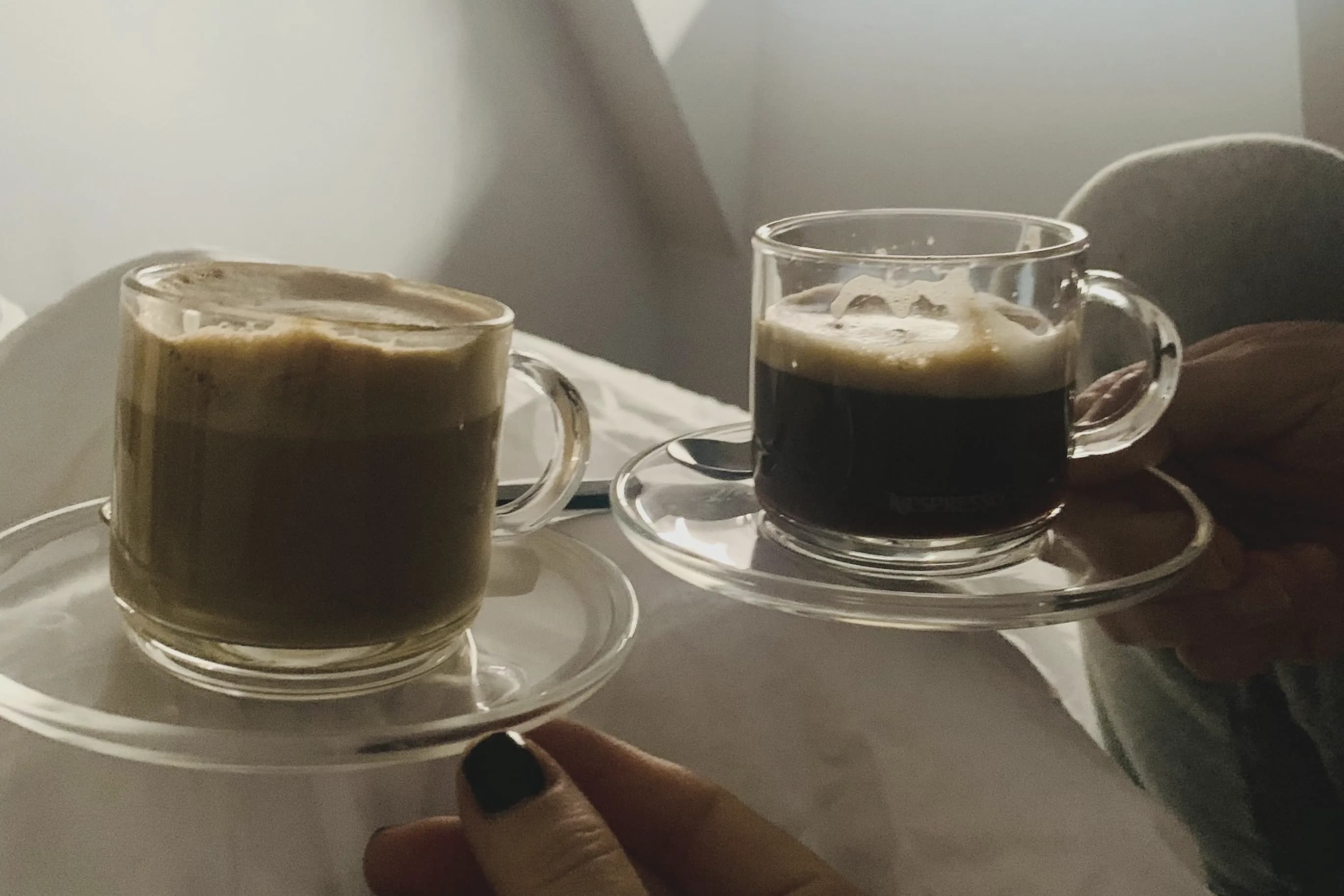
Even a small moment like sharing a coffee in bed with a loved one can increase the well-being of a couple. Sometimes I give this example to couples that visit my office: „Your relationship is like a beautiful garden: to maintain its beauty it is important to remove weeds and wilted plants that are threatening your beloved flowers. But equally important is to know what special needs your flowers have and how to care for them. Where is a good spot for each: in the sun or the shadow? How much...
Part 1: What do you need to know before setting healthy boundaries? To be able to develop authentic relationships with ourselves, with our family and friends, we need to set clear boundaries and limits that separate our physical and emotional world from others. This process first implies having a clear idea about who we are. Our self - identity starts developing in childhood, intensifies in puberty and emerges in the young adulthood when we understand that we can be part of a family, a...
I was walking my dog the other day while listening to music when my attention got caught by the lyrics of a song: “… I’m a happy dreamer, I believe in love …”. In that moment I realized that I’ve always been the kind of person who believes in love, who looks for it in many things, who strives for self-love. My wish is to share this view with you because I feel and have experienced that love and the connection that comes with it are the antidotes to unhappiness, loneliness, and even...
Practice assistant
Quick answers about the practice
Ask me about the practice. For example:
Please don't share sensitive health details here. This chat is not stored: it stays in your browser for an hour and then disappears.
You are talking to an AI assistant, not a therapist. Chats are not stored. In an emergency call 142 (Telefonseelsorge, day and night) or 144.