Are You a Fish in Water? How to think about Burnout.
By Mag. Elena Padurariu · · 3 min read

A fish doesn’t know it’s in water because water is its normal environment.
In the same way, people under chronic stress often don’t realize they’re stressed. The stress becomes their “normal.”
Until being generally tired and stressed turns into exhaustion that is overwhelming. People start feeling tired almost all the time, both physically and emotionally, regardless of how many breaks and vacations they take. They start to dislike a job they usually enjoyed, productivity sinks, and fulfilling their work demands becomes harder and harder.
Often, the signs begin far in advance with sleep problems, feeling anxious or depressed, high irritability, physical problems, lack of concentration, and memory problems. These are just some common complaints.
“I saw the signs… but I ignored them.”
That’s what most of my clients experiencing burnout tell me. And for a short time, ignoring stress signs might work. But medium and long term, it becomes a problem not only for the person but for the entire system. When one person burns out:
- Someone else must overperform in their team
- Families feel the emotional and financial consequences
- The entire organization's functioning rhythm can be impacted
Burnout is never just about the individual. It’s a systemic issue, and the response must also be systemic.
In my work with clients, we explore:
- What are their stressors? Burnout is very often a result of many small stressors, piling up over time, often without proper release or support.
- What coping strategies have worked, and where are they falling short? Unfortunately, what I hear is that the more work demands increase, the less time my clients invest in their well-being. This needs to change.
- What systems (work, family, internal beliefs) are sustaining this cycle? There is only a certain area of work we have control over. If the organisation structure is not flexible with its demands on the employees, the process of recovery will be hindered.
There’s no universal fix. Burnout is deeply personal. But it is also highly preventable with the right insight and support.
What I wish more people would understand:
- Burnout is not a sign of weakness. It’s not about being “too sensitive.”It’s about overloading our mental, emotional, or physical limits and continuing to do so.
- Many clients can’t pinpoint one clear moment of collapse. But as we trace back through their stress timeline, the root causes become visible.
- Self-care is not a luxury. It’s a foundation we have to continuously strengthen. When we put our well-being first, we have the resources to be there for others, to lead, to create, to contribute.
- It’s much easier to prevent burnout than to recover from it, and this is a fact.
My Approach: A Holistic Path to Stress & Burnout Recovery
As a therapist and coach, my work with clients is multi-layered and holistic. In my sessions, I address five dimensions of health because burnout rarely affects just one part of life.
Physical health: We focus on practical lifestyle changes in nutrition, movement, recovery, avoiding unhealthy habits, and getting to regular medical checkups.
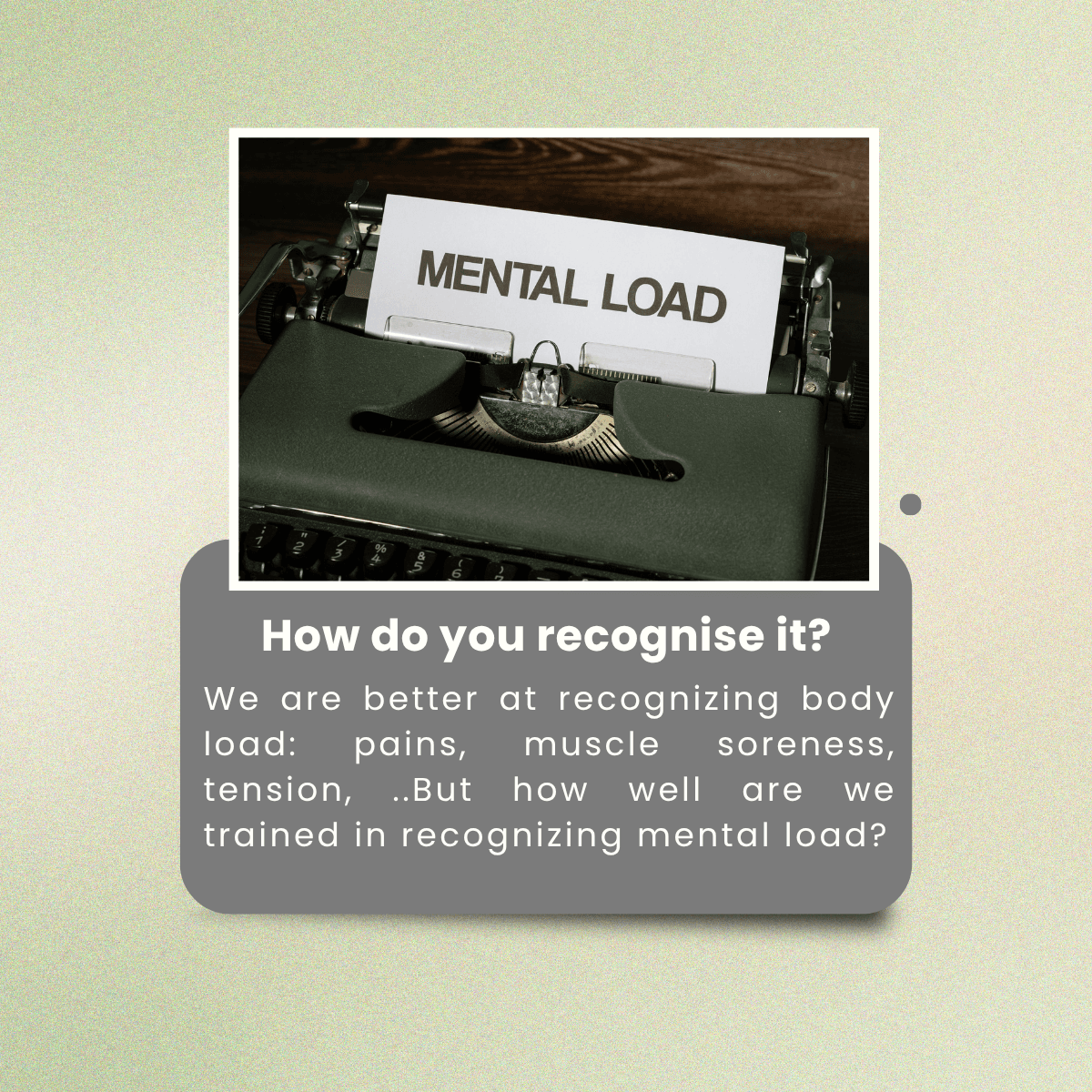
Mental health: We work on diminishing the cognitive effects of stress, such as forgetfulness, poor concentration, procrastination, low productivity, negative attitude, confusion (lack of focus), and mental fatigue.
Emotional health: We explore and process emotional stress responses: anxiety, depression, frustration, mood swings, and irritability
Spiritual health: Together, we rediscover meaning and motivation by reconnecting with our core values, rebuilding self-confidence, cultivating inner purpose, and self-leadership.
Social Health. We strengthen your ability to build healthy relationships, express needs clearly, set healthy boundaries, and protect your energy.
All are important areas in our lives, and finding an inner alignment is what keeps us in balance, grounded, and resilient.
The first step is still with you:
Take time and reflect not only on how you feel in this moment, but how you've felt over the past weeks:
- How are you physically?
- How are you emotionally?
How clear and focused are you mentally?
If you notice you are not at your best, and this feeling has been lingering, it may be your body's way of sending you a message. Don't ignore it!