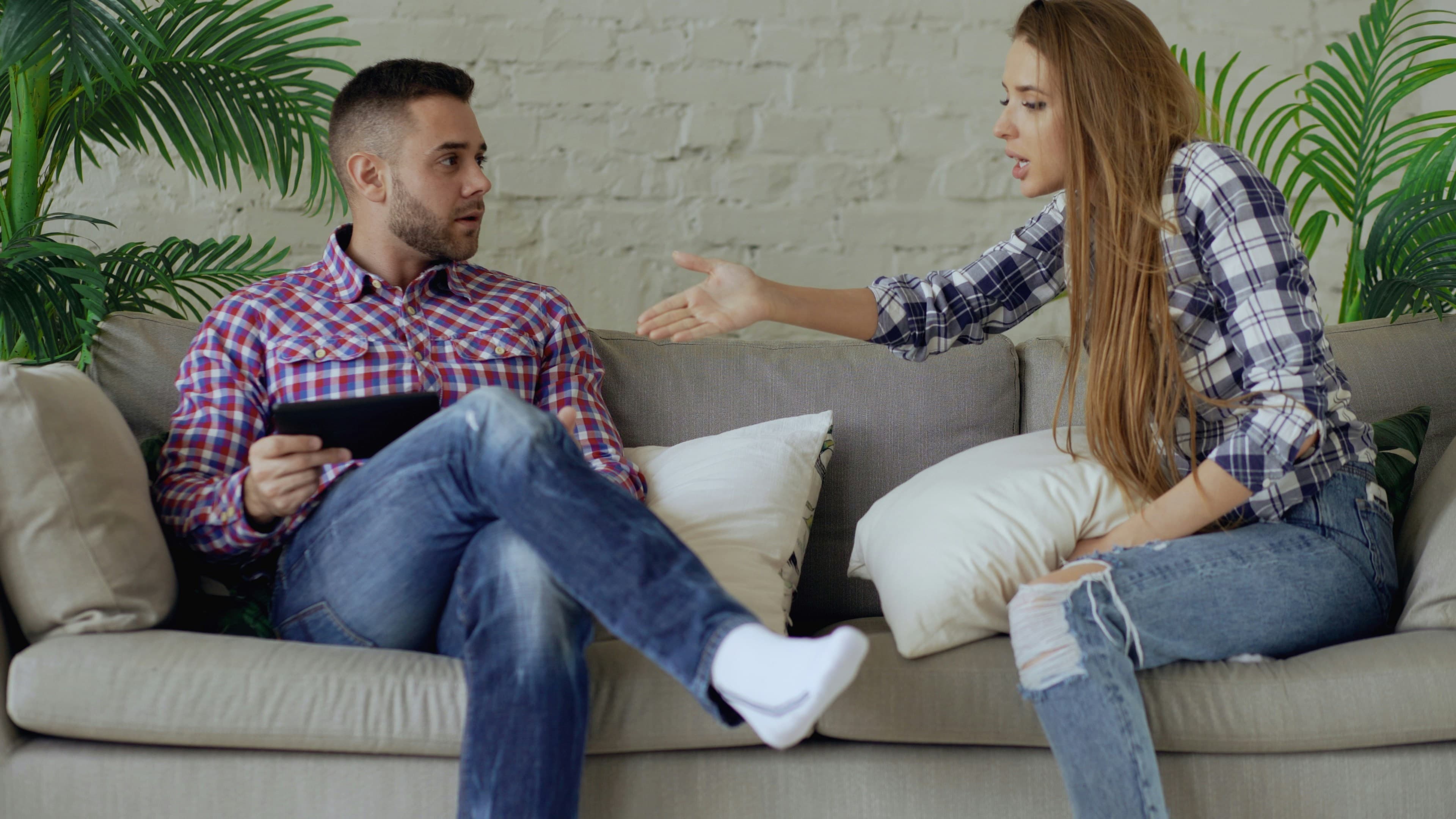
Anger changes the atmosphere in a room. A voice becomes louder, movements become sharper, or someone starts pacing, sighing or speaking with visible irritation. Even when the anger is not directed at us, our own body may tense. We become alert, we may want to calm the person down, defend ourselves or leave the room. This reaction doesn't necessarily mean we are overly sensitive. Our nervous system continuously reads facial expressions, tone of voice, posture and movement for signs of safety...
Many people come to therapy hoping to learn better communication skills: to argue less, express themselves more clearly, and finally feel understood. Yet in years of working with couples, one pattern stands out: communication itself is rarely the biggest obstacle. What gets in the way is less visible than that. In conflict, we stop being curious about our partner’s inner world and start assuming instead. “You don’t care.” “You’re doing this on purpose.” “You always think I’m the problem.”...
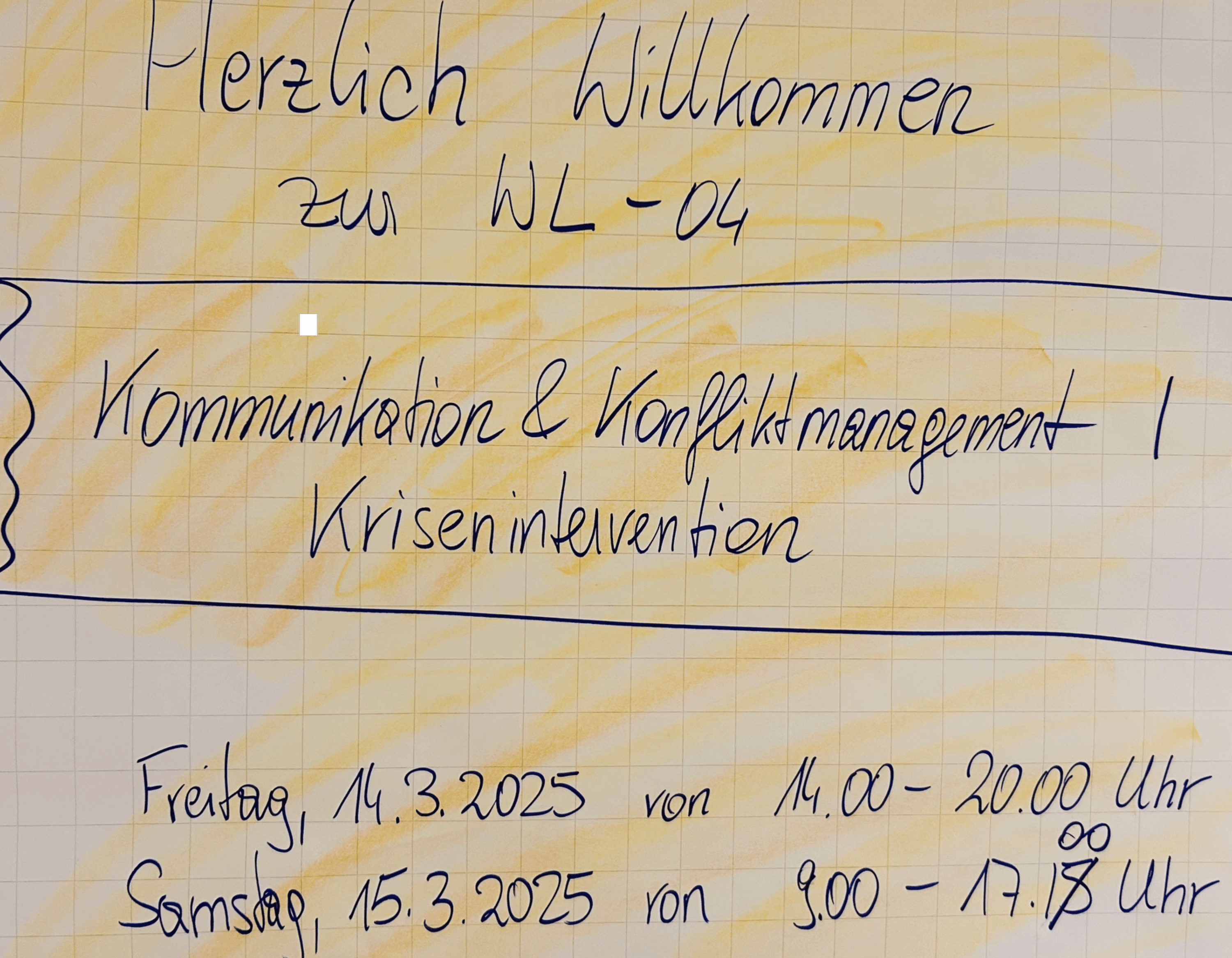
As a therapist, I often see how conflicting expectations create tension—whether in romantic relationships or the workplace. We all step into roles with assumptions about what we and others “should” do. But when these expectations aren’t clearly communicated, misunderstandings, frustration, and resentment can build. Last weekend, at a Communication and Conflict management seminar, I reflected on how many of the conflicts I see in my clients stem not from bad intentions, but from differing,...
We all have a deep desire to feel heard and to know that others care enough to listen. Talking to someone who is not listening can leave us with feelings of frustration, disappointment, or not being cared for. This is what I hear often from children, partners, daughters and sons, and employees who are asking for my help. Couples that have been together over a longer period, recognize that after some time in the relationship, they reach a point where they fail to listen consciously and...
I have an experiment for you: How about the following days, you take a step back to observe the way you talk to your partner, wife, or husband? Then do a small evaluation and see how satisfied you are. Do you like the way you communicate with your loved one or is there something you’d like to change? There is a reason behind my experiment. As I have discovered while reading H. Markman’s book „Fighting for Your Marriage“, there are four main types of talk partners engage in: Casual talk. Is...
The quality of our communication and the quality of our lives are directly related. The more skilled we are in communicating with others, the more successful we are likely to be, both personally and professionally. People who communicate well will be able to cope better with stress, adapt better to major changes in life, have more friends, and are less likely to suffer from depression, loneliness, or anxiety. In romantic relationships, effective communication skills are one of the best...
Knowing what your natural style of communication is can be a valuable step in improving your interaction in all contexts and relieving social stress. One of the most common communication models describes 4 types: The assertive type The passive type The aggressive type The passive-aggressive type. The awareness of this model helped me better understand my clients who very often describe their problems as: • "I am the one who keeps silent during a meeting unless really necessary “ • „I...
Conflict is part of any couple. As Esther Perel said, couples go through a cycle of harmony, disharmony, and repair. A good fight is one that ends with a resolution and repair.A bad fight is a negative escalation based on attacking, blaming, and offending the other. While good fights lead to building a stronger foundation of a couple, a bad fight will weaken it to the point of breaking it up. Even a strong love cannot last in the face of criticism, blame, or contempt. To help you fight...
Practice assistant
Quick answers about the practice
Ask me about the practice. For example:
Please don't share sensitive health details here. This chat is not stored: it stays in your browser for an hour and then disappears.
You are talking to an AI assistant, not a therapist. Chats are not stored. In an emergency call 142 (Telefonseelsorge, day and night) or 144.