Zum Inhalt springen
Elena Padurariu
← Zurück zum Blog

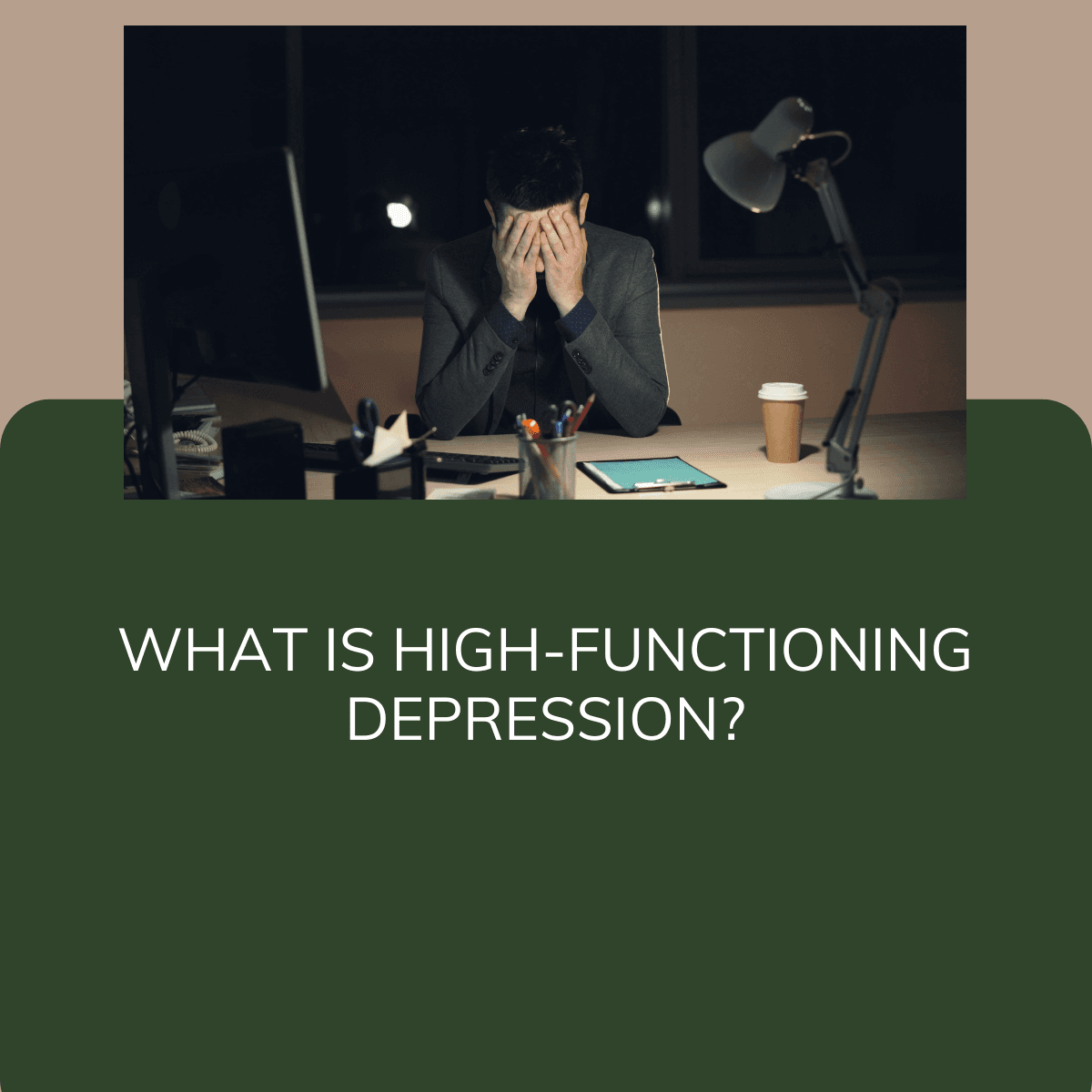
What is high-functioning depression?

Von Mag. Elena Padurariu · · 2 Min. Lesezeit

High-functioning depression is not an official diagnosis, but it's a term used to describe people who experience feelings of depression while being able to maintain their daily responsibilities.

 People who experience it still show up at work. They meet their deadlines, answer their emails, and manage to keep a full schedule. Because of this, from the outside, everything looks fine; no one could tell. But from inside, the world looks different.


Some warning signs to look out for include:

— Persistent feelings of sadness, emptiness, or irritability

— General fatigue or low energy

— Difficulty concentrating on tasks, or in making decisions

— Loss of interest in things that used to bring joy before

— Physical symptoms like headaches, digestive issues, and sleep disturbances.


To hide these symptoms, people have found their own strategies:

— They use humor, or sarcasm, to deflect from what they're really feeling

— Maintain a busy schedule and avoid times of self-check-ins

— Tend to overachieve or thrive for perfection to avoid feelings of inadequacy

— Engage in excessive sport activities


Despite these negative signs, people rarely seek help because they might have the belief "as long as I can keep going, it's all good", or because talking about their own feelings seems draining.

However, often the cost of keeping up appearances is real because it can lead to burnout, relationship struggles and isolation, an increased risk of substance abuse, and a gradual decrease in their well-being.

Recognising signs and seeking help isn’t a sign of weakness. And definitely, people don't need to hit a breaking point to ask for support.

If something doesn't feel right, that's reason enough to reach out.

#MentalHealth #Depression #HighFunctioningDepression #Wellbeing #MentalHealthAwareness#

Artikel teilen

Buchen Sie Ihren ersten Termin

Das könnte Sie auch interessieren

Die eigenen Gefühle verstehenBessere Gespräche

· 4 Min. Lesezeit

When someone around you is angry: How to stay grounded without taking it on

Anger changes the atmosphere in a room. A voice becomes louder, movements become sharper, or someone starts pacing, sighing or speaking with visible irritation. Even when the anger is not directed at us, our own body may tense. We become alert, we may want to calm the person down, defend ourselves or leave the room. This reaction doesn't necessarily mean we are overly sensitive. Our nervous system continuously reads facial expressions, tone of voice, posture and movement for signs of safety...

Ruhe & Balance finden

· 3 Min. Lesezeit

The first things we drop when we’re stressed are often the things we need most

I see this pattern often in my practice: when work gets heavier, the first thing to go is everything that keeps a person balanced. People start skipping the evening walk, we have no time for our friends, the guitar is laying in a corner, gathering dust, conversations with a partner resume to logistics or watching TV because we are too tired to listen and engage. The instinct makes sense: leave away the "non-essentials," free up time and energy to face the workload. But what actually happens...

Bessere GesprächeStärkere Beziehungen

· 3 Min. Lesezeit

The Stories We Tell Ourselves During Conflict

Many people come to therapy hoping to learn better communication skills: to argue less, express themselves more clearly, and finally feel understood. Yet in years of working with couples, one pattern stands out: communication itself is rarely the biggest obstacle. What gets in the way is less visible than that. In conflict, we stop being curious about our partner’s inner world and start assuming instead. “You don’t care.” “You’re doing this on purpose.” “You always think I’m the problem.”...