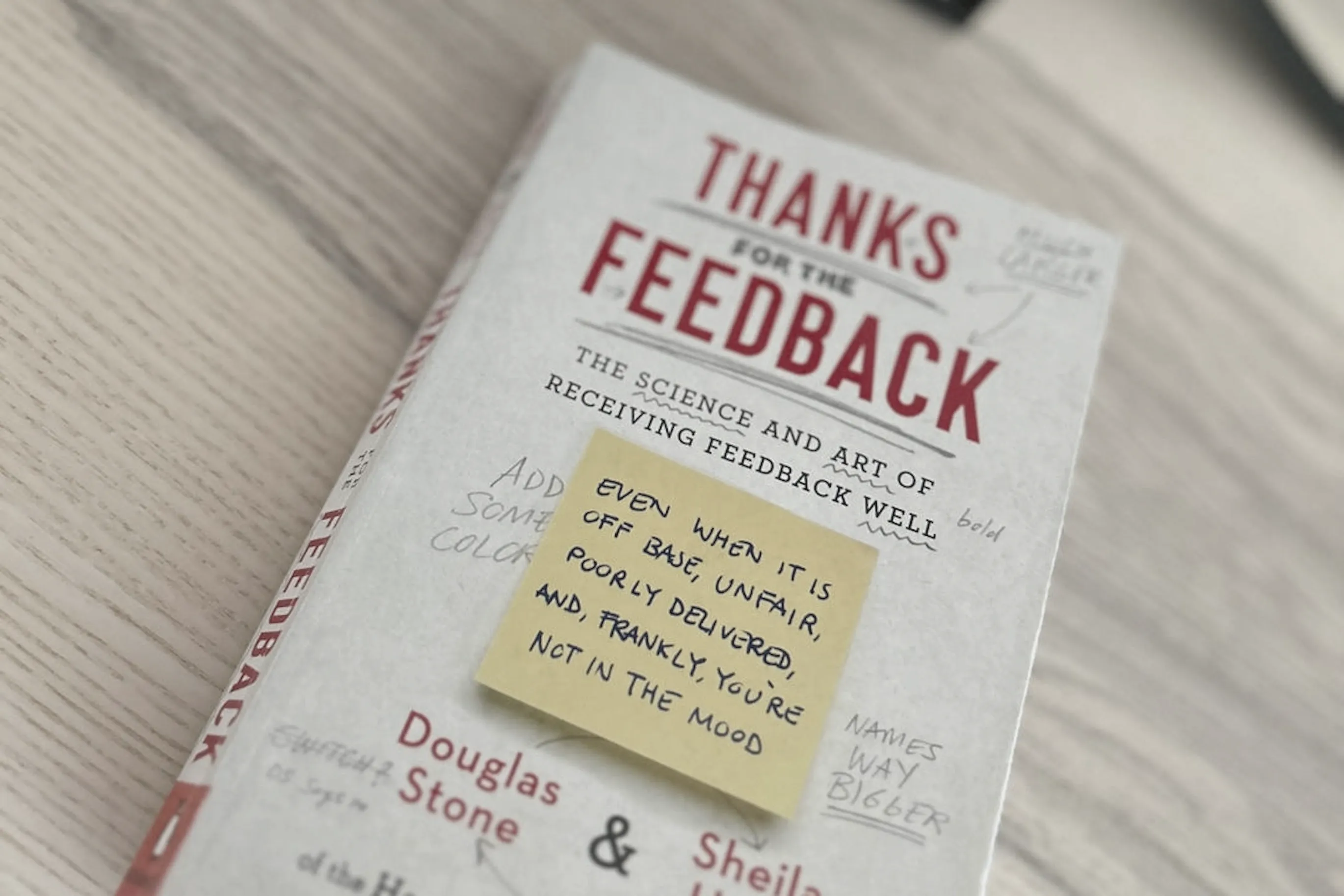
Anger changes the atmosphere in a room. A voice becomes louder, movements become sharper, or someone starts pacing, sighing or speaking with visible irritation. Even when the anger is not directed at us, our own body may tense. We become alert, we may want to calm the person down, defend ourselves or leave the room. This reaction doesn't necessarily mean we are overly sensitive. Our nervous system continuously reads facial expressions, tone of voice, posture and movement for signs of safety...
Many people come to therapy hoping to learn better communication skills: to argue less, express themselves more clearly, and finally feel understood. Yet in years of working with couples, one pattern stands out: communication itself is rarely the biggest obstacle. What gets in the way is less visible than that. In conflict, we stop being curious about our partner’s inner world and start assuming instead. “You don’t care.” “You’re doing this on purpose.” “You always think I’m the problem.”...
When we hear the word resilience, we usually think of an individual's ability to adapt to difficult life experiences through emotional flexibility, self-awareness, and healthy coping. But what about relationships? Relational resilience is the ability of a couple to navigate challenges, recover from disconnection, and emerge from difficult times feeling stronger and more connected. Resilient couples don't avoid conflict; they learn from it and use it to strengthen their foundation. Can...
Because burnout is rarely just an individual problem. Research consistently shows that focusing only on the employee, through stress management tools, meditation apps, or reduced hours, is not enough. The most effective and lasting results come from combining individual and organisational approaches. In my work with clients recovering from burnout, one factor makes a profound difference: what they return to. Receiving leadership support, a safe space to talk about vulnerabilities, flexibility...
A fish doesn’t know it’s in water because water is its normal environment. In the same way, people under chronic stress often don’t realize they’re stressed. The stress becomes their “normal.” Until being generally tired and stressed turns into exhaustion that is overwhelming. People start feeling tired almost all the time, both physically and emotionally, regardless of how many breaks and vacations they take. They start to dislike a job they usually enjoyed, productivity sinks, and...
The more I work with couples, the more I notice a similar pattern. At the beginning of a relationship, we often see our partner’s best qualities: their planning skills, their generosity, or maybe their willingness to help others. But over time, especially under stress or during conflict, we begin to focus on what's lacking. Plus, the very strengths we once admired can start to feel like obstacles to the relationship's harmony. We begin to complain or criticize: “You plan too much; we never do...
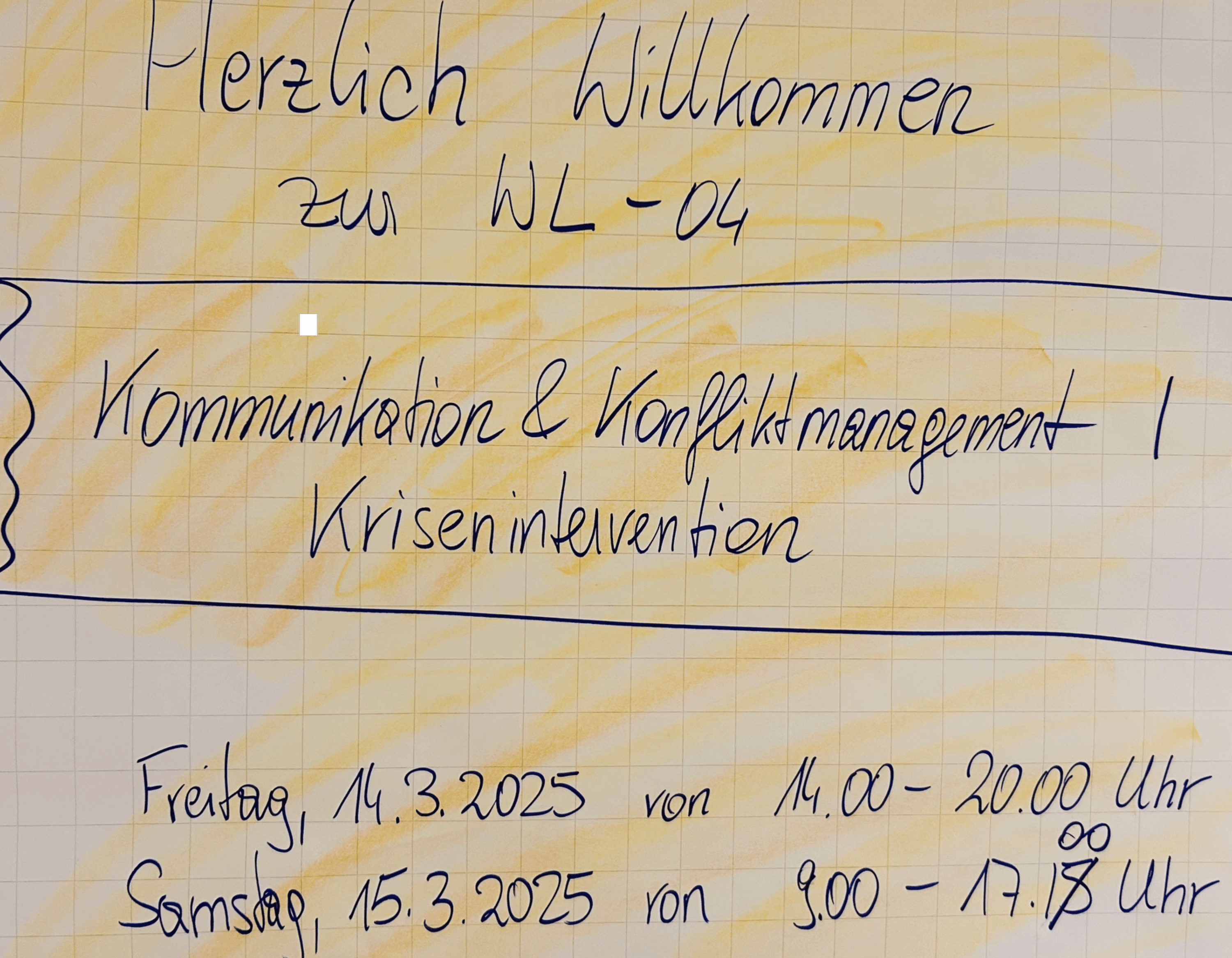
As a therapist, I often see how conflicting expectations create tension—whether in romantic relationships or the workplace. We all step into roles with assumptions about what we and others “should” do. But when these expectations aren’t clearly communicated, misunderstandings, frustration, and resentment can build. Last weekend, at a Communication and Conflict management seminar, I reflected on how many of the conflicts I see in my clients stem not from bad intentions, but from differing,...
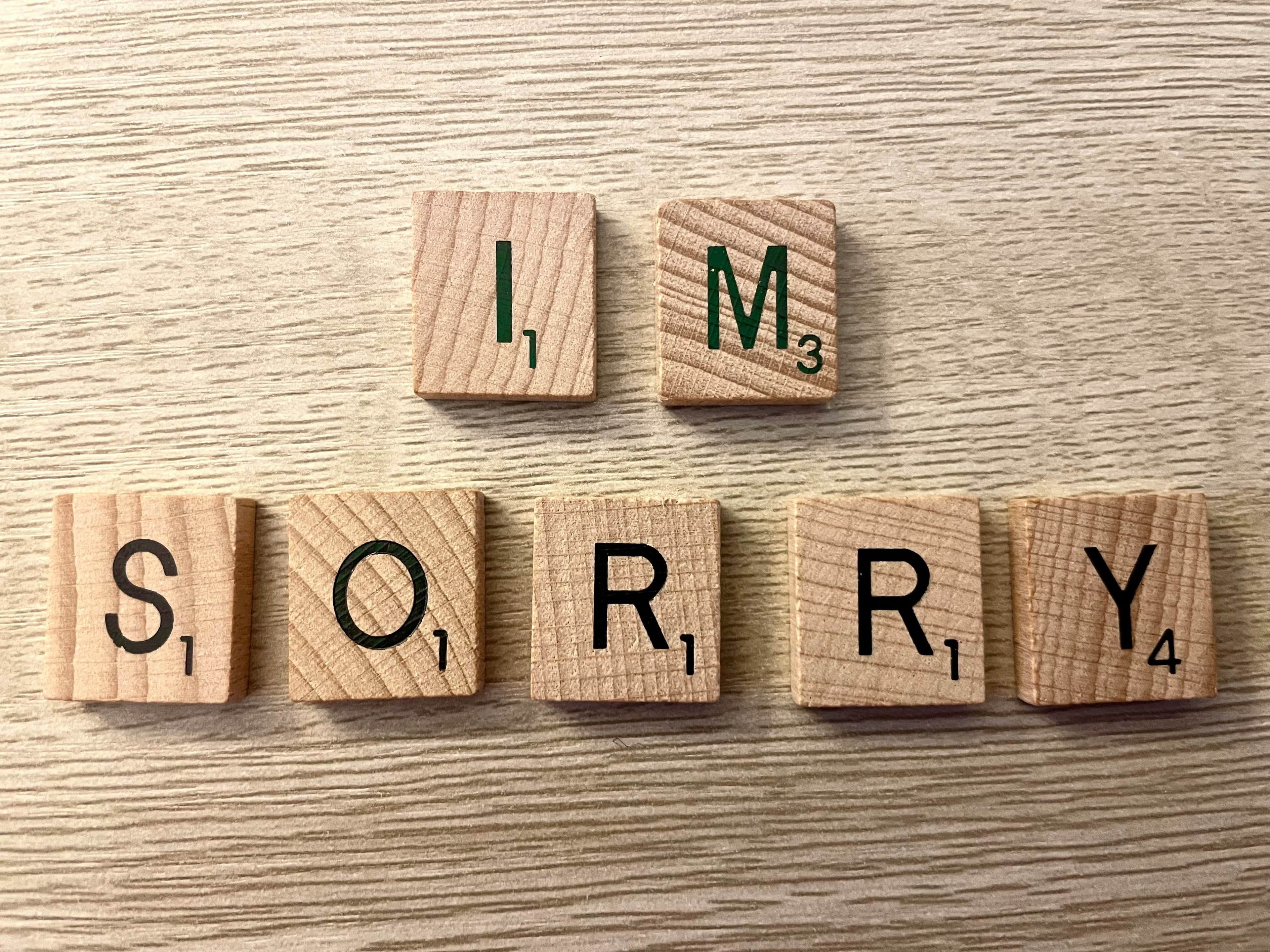
Coming from a culture where apologies are rare, I’ve had to learn and appreciate just how important apologizing is in maintaining strong, healthy relationships. Understanding this concept has shifted my perspective and helped me offer greater support to people seeking my assistance. Apologizing is essential for repairing a conflict with a partner, family member, close connection, or even with a stranger. It should always be followed by a genuine effort to change the behavior that caused hurt....
Starting therapy is a big step and the timeline for reaching that decision looks different for everyone—whether it takes years, months, or just a few days. Several factors influence this decision such as your readiness for change, the perception you have about psychotherapy, finding a therapist who speaks your language or is in your area, and financial considerations. Once you’ve made that decision, the most natural question is „What will happen during the first session?“ In my experience,...
How we view ourselves reflects in our relationships. If you have an underestimated or an overestimated view, it is worth challenging it and thriving toward a realistic, accepting, and compassionate one. We all have the potential to strive for self-development. Even if we didn’t grow up in a loving, affectionate, and accepting family, we still can change and become a better self. The level of self-esteem is not set once and for all in childhood. It can shift throughout a lifetime. We all make...
In my psychotherapeutic praxis, many of my clients are expats and other internationals. I am deeply concerned to see teens and young adults complaining about being bullied in school. Moreover, I am saddened to hear that some students are avoiding going to school altogether out of fear of their schoolmates and teachers. I am surprised to hear from adults with different cultural backgrounds complaining about their difficulty adjusting to Austrian work culture or being victims of discrimination....
We all have a deep desire to feel heard and to know that others care enough to listen. Talking to someone who is not listening can leave us with feelings of frustration, disappointment, or not being cared for. This is what I hear often from children, partners, daughters and sons, and employees who are asking for my help. Couples that have been together over a longer period, recognize that after some time in the relationship, they reach a point where they fail to listen consciously and...
The quality of our communication and the quality of our lives are directly related. The more skilled we are in communicating with others, the more successful we are likely to be, both personally and professionally. People who communicate well will be able to cope better with stress, adapt better to major changes in life, have more friends, and are less likely to suffer from depression, loneliness, or anxiety. In romantic relationships, effective communication skills are one of the best...
Often people visit my office with the goal of helping them in making a decision. Not an easy task when it’s about life-changing decisions, like: should I divorce or should I stay in this relationship, should I accept this new job/position, should I move to another country, or which partner is the best for me? The predominant feeling is ambivalence: “I want this, but I also want that”. Or fear and regret: “I am afraid that if I choose this, I’ll lose that”, “What if things go wrong?” Some...
Knowing what your natural style of communication is can be a valuable step in improving your interaction in all contexts and relieving social stress. One of the most common communication models describes 4 types: The assertive type The passive type The aggressive type The passive-aggressive type. The awareness of this model helped me better understand my clients who very often describe their problems as: • "I am the one who keeps silent during a meeting unless really necessary “ • „I...
Înainte de începerea anului 2022, ca parte a unui training de dezvoltare personală, a trebuit să fac o listă cu 30 de lucruri pe care doresc să le realizez în acel an. 30 ? M-am întrebat ? Ce să trec oare ca să ajung la cifra cerută ? Părea un lucru imposibil la prima vedere. Dar tema era temă așa că am pus mâna pe creion și am început să scriu. Repede mi-am dat seama că cel mai bine împart lista pe categorii : casă și familie, muncă, dezvoltare personală și fun, prieteni. Așa am ajuns la 30...
Asistentul cabinetului
Răspunsuri rapide despre cabinet
Întreabă-mă despre cabinet. De exemplu:
Te rog nu împărtăși aici detalii sensibile despre sănătate. Această conversație nu este stocată: rămâne o oră în browserul tău, apoi dispare.
Vorbești cu un asistent AI, nu cu un terapeut. Conversațiile nu sunt stocate. În caz de urgență sună la 142 (Telefonseelsorge, zi și noapte) sau la 144.